 Skip to content

Have you ever craved a dish that transports you straight to the bustling markets of Morocco? That’s exactly what happened to me the first time I tried Zaalouk at a friend’s dinner party. This smoky, spiced eggplant and tomato spread, known as Zaalouk, stole the show with its rich flavors and comforting texture—it’s the kind of recipe that makes you want to linger over every bite. I’ve since made it my go-to for casual gatherings, and let me tell you, preparing Zaalouk at home is surprisingly simple and rewarding.
What I love most about Zaalouk is how it blends humble ingredients into something extraordinary. Eggplants charred just right, tomatoes simmering down to a velvety base, all infused with cumin and paprika—it’s pure magic in a bowl. If you’re new to North African cuisine, this Zaalouk recipe is the perfect entry point; it’s vegan, versatile, and always a crowd-pleaser. And if you enjoy fusion twists, pair it with something like our air fryer pizza bombs for a fun Mediterranean-Italian mashup.
Here’s the thing: once you taste homemade Zaalouk, store-bought dips won’t cut it anymore. I’m excited to share this easy Zaalouk recipe with you today—let’s dive in and get cooking!
Key Takeaways:
- Zaalouk is a versatile Moroccan dip that’s perfect as an appetizer or side dish, packed with nutrients from eggplant and tomatoes.
- This recipe takes about 45 minutes total, making it a convenient option for weeknight meals without sacrificing flavor.
- The smoky, spiced taste of Zaalouk comes from simple pantry staples like cumin and paprika, creating an irresistible depth.
- For the best results, char the eggplant first to enhance the authentic smoky notes in your Zaalouk.
- Store Zaalouk in the fridge for up to 5 days; it tastes even better the next day as flavors meld.
Why You’ll Adore This Zaalouk
Rich, Authentic Flavors: There’s something truly captivating about the way Zaalouk captures Moroccan essence in every spoonful. The combination of roasted eggplant and stewed tomatoes, spiced with warm cumin and a hint of chili, creates layers of taste that dance on your palate. In my experience, it’s the kind of dish that turns a simple meal into a feast.
Healthy and Vegan-Friendly: Let’s be honest, who doesn’t love a guilt-free indulgence? Zaalouk is naturally vegan, loaded with fiber-rich veggies, and low in calories, making it ideal for health-conscious eaters. I’ve served this Zaalouk to friends on various diets, and it always gets rave reviews without any modifications needed.
Easy to Prepare at Home: You might be thinking Moroccan recipes sound intimidating, but this Zaalouk is beginner-friendly with straightforward steps. No fancy equipment required—just a skillet and stove. What I find interesting is how quickly it comes together, yet it feels gourmet.
Versatile Serving Options: Whether scooped with bread or spread on toast, Zaalouk adapts to any occasion. It’s wonderful warm, at room temp, or even chilled, adding flexibility to your menu. Trust me, once you make this Zaalouk, you’ll find excuses to incorporate it everywhere.
Grab This Kitchen Scale Now — Best Precision Pick!
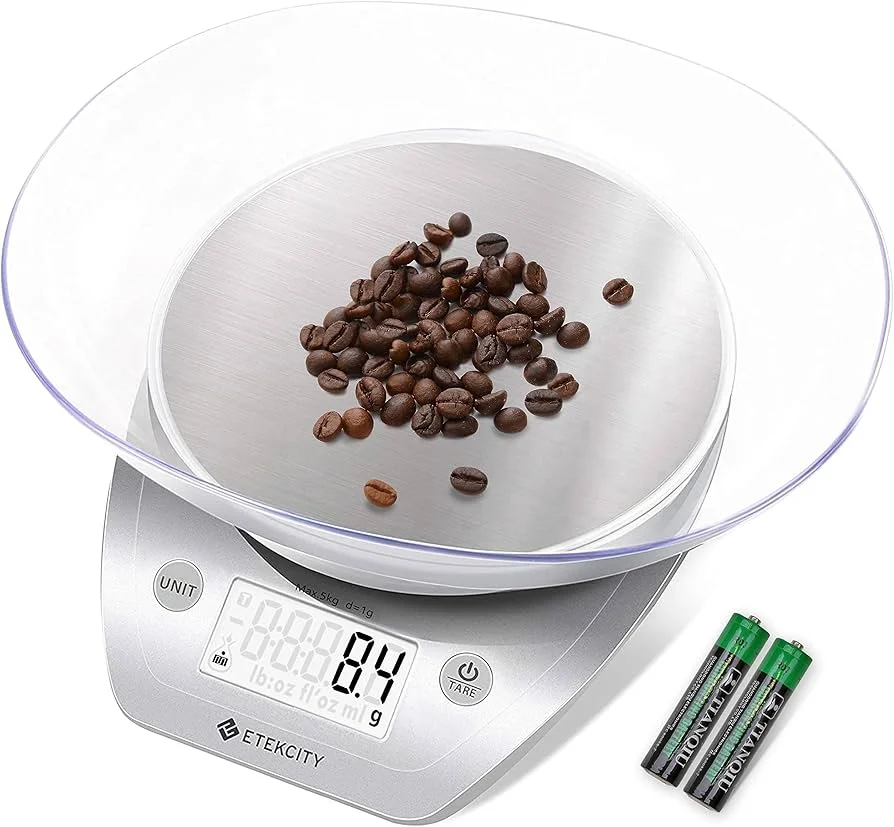
- Razor-Accurate Every Time: Dual-increment precision down to 0.1g — perfect for baking, meal prep, and portion control with g, oz, ml, and fl'oz modes.
- Smart Removable Bowl Design: Detachable bowl doubles as a protective case for compact storage. Tare function lets you weigh ingredients in any container with zero fuss.
- Built for Everyday Convenience: Auto-zero, tare function, low battery alert, overload indicator, and 2-minute auto-off to extend battery life — all in a sleek stainless steel build.
- ✓ "Perfect for baking — precise, lightweight, and stores easily without wasting counter space"
- ✓ "A game changer! Weighing ingredients is now way more accurate than measuring cups"
- ✓ "Love the 0.1g precision and backlight — best food scale I've owned. Highly recommend!"
⏰ Only a few items left in stock - order soon
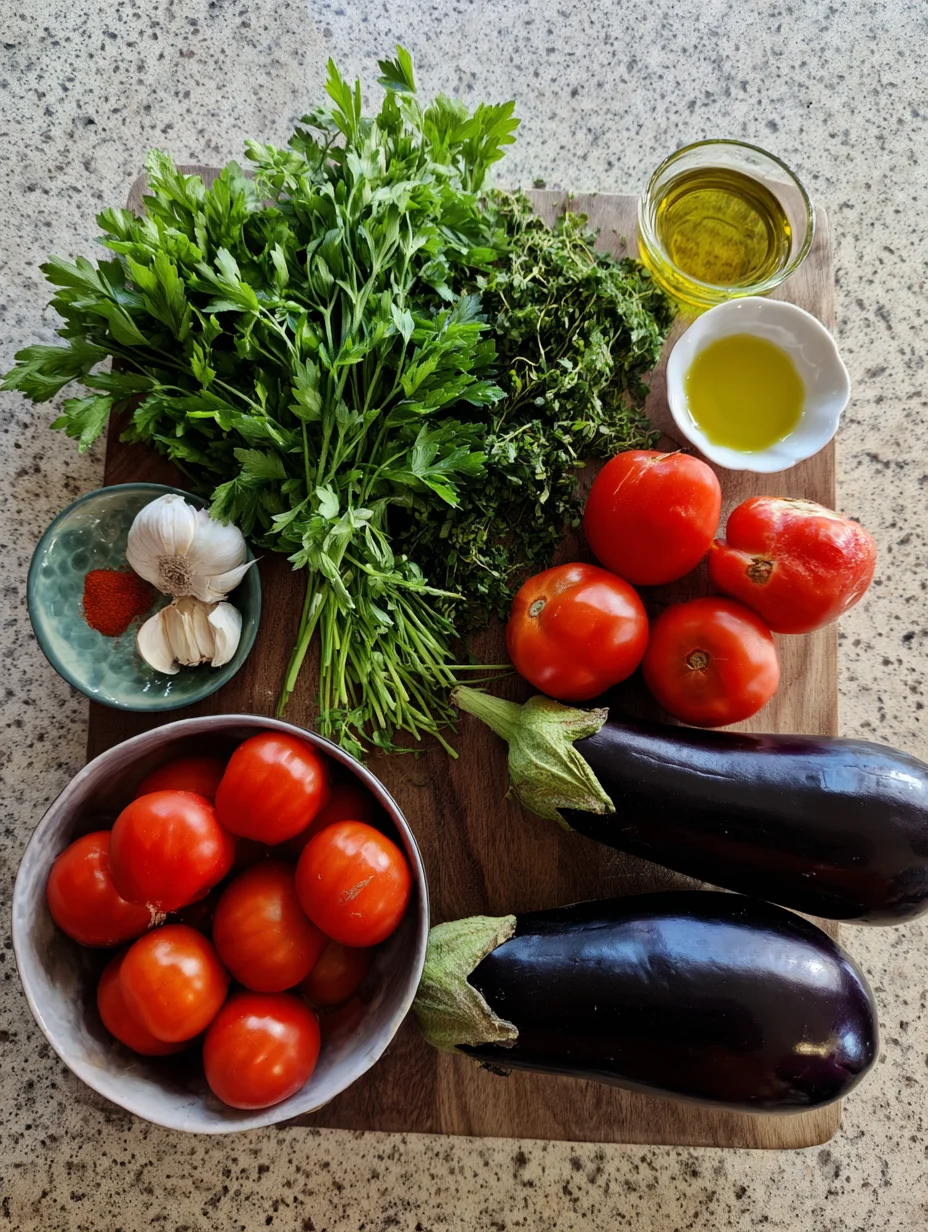
Essential Ingredients for Zaalouk
Eggplant: The star of this Zaalouk, eggplant provides a creamy, absorbent base that soaks up all the spices beautifully. I always recommend choosing firm, glossy ones for the best texture—avoid any with soft spots. When charred and cooked down, it transforms into that signature silky consistency that makes Zaalouk so addictive. In my kitchen, fresh local eggplants yield the most flavorful results every time.
Tomatoes: Ripe tomatoes form the juicy foundation of Zaalouk, breaking down into a rich sauce that ties everything together. Their natural sweetness balances the savory spices, creating harmony in each bite. Opt for plum or Roma varieties for less water content, which helps thicken the mixture faster. I’ve experimented with canned tomatoes in off-season, and they work well but fresh ones elevate your Zaalouk immensely.
Spices (Cumin and Paprika): Cumin adds an earthy warmth while paprika brings a subtle smokiness to Zaalouk, defining its authentic Moroccan profile. These pantry essentials are key to building depth without overpowering the veggies. Freshly ground cumin makes a noticeable difference in intensity—trust me, it’s worth the extra step for vibrant Zaalouk flavors.
How to Make Zaalouk
Prepare and Char the Eggplant
Start by prepping your eggplant: wash it thoroughly, then prick the skin all over with a fork to prevent bursting. Place it directly over a gas flame or under a broiler, turning occasionally until the skin is charred and the flesh softens—about 10-15 minutes total. This step infuses Zaalouk with that essential smoky essence I crave. Once cool enough to handle, peel off the skin and chop the flesh into small pieces; the scent alone will have you excited for the finished Zaalouk.
Cook the Tomatoes and Aromatics
In a large skillet, heat olive oil over medium heat and add minced garlic, stirring until fragrant—be careful not to burn it, as that can turn bitter. Toss in chopped tomatoes, a pinch of salt, and let them simmer, mashing occasionally as they release juices and thicken, about 10 minutes. The kitchen will fill with this inviting aroma that promises a delicious Zaalouk ahead. Stir in your spices now to bloom their flavors fully.
Combine and Simmer for Zaalouk Perfection
Add the charred eggplant to the tomato mixture, along with chopped cilantro and parsley for freshness. Lower the heat and simmer everything together for 20-25 minutes, stirring now and then, until it reaches a spreadable consistency—the longer it cooks, the more integrated the tastes become in your Zaalouk. Squeeze in lemon juice at the end for a bright tang that cuts through the richness. Taste and adjust seasoning; this Zaalouk should be bold yet balanced. For a fun twist, check out our cheesy garlic bread to serve alongside.
Ingredients
- 2 large eggplants
- 4-5 ripe tomatoes, chopped
- 3 garlic cloves, minced
- 1/4 cup olive oil
- 1 tsp ground cumin
- 1 tsp paprika
- 1/2 tsp chili flakes (optional)
- 1/4 cup chopped fresh cilantro
- 1/4 cup chopped fresh parsley
- Juice of 1 lemon
- Salt and pepper to taste
Zaalouk Instructions
- Char the eggplants over a flame or broiler until skin is blackened, about 10-15 minutes. Peel and chop the flesh.
- Heat olive oil in a skillet, sauté garlic until fragrant, then add chopped tomatoes and cook until saucy, 10 minutes.
- Stir in spices, eggplant, herbs, and simmer on low for 20-25 minutes. Finish with lemon juice and season.
- Serve warm or at room temperature with bread or veggies.
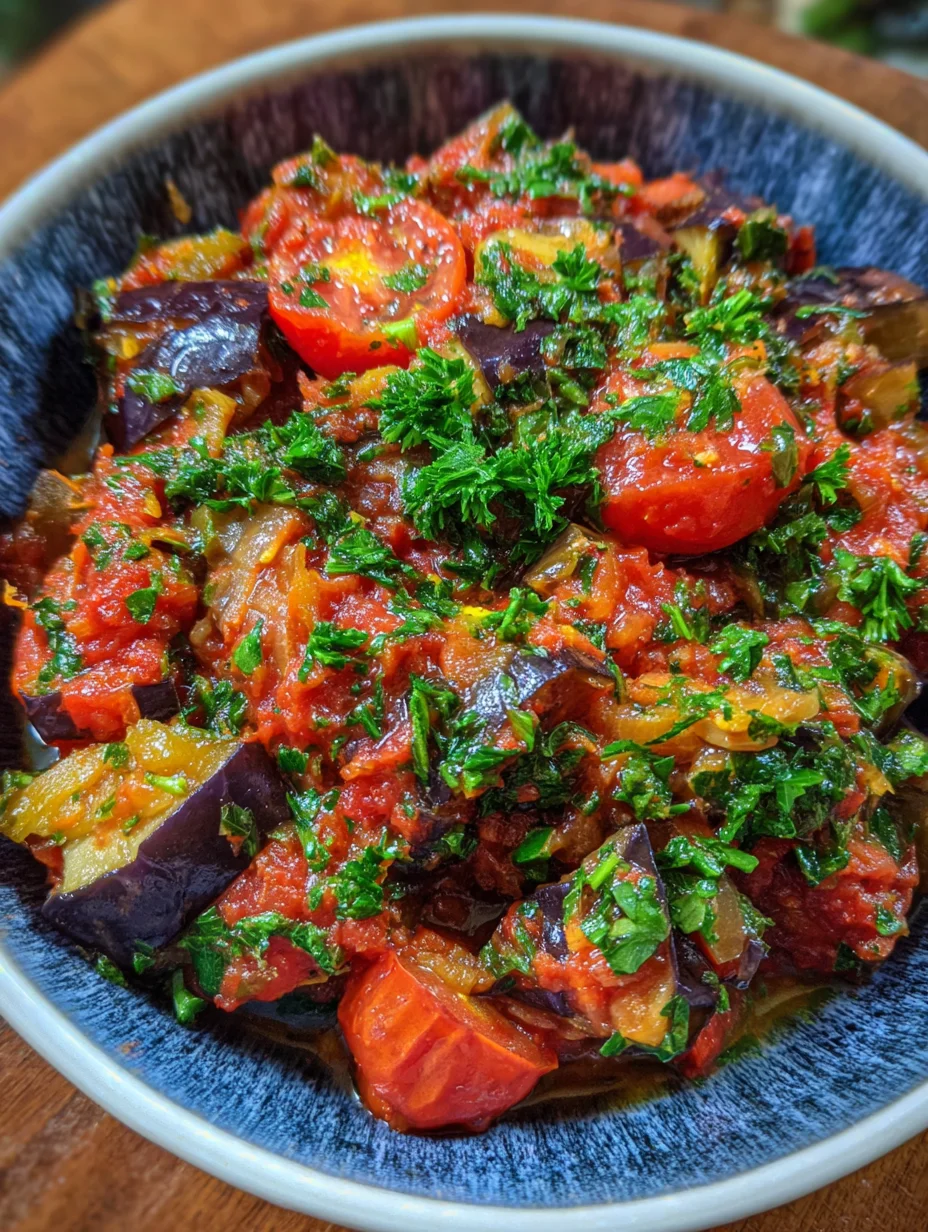
Pro Tips for the Best Zaalouk
Char Thoroughly: Don’t rush the charring step—it’s what gives Zaalouk its smoky soul; even a grill works if no open flame.
Adjust Spice Levels: Start with less chili and taste as you go; Moroccan Zaalouk varies by region, so customize to your heat preference.
Use Fresh Herbs: Chop cilantro and parsley just before adding for maximum vibrancy in your Zaalouk.
You Must Know
- Zaalouk is traditionally a Ramadan staple in Morocco, often enjoyed during iftar.
- This dish is naturally gluten-free and can be made nut-free easily.
- The name “Zaalouk” means “squished” in Arabic, referring to the mashed texture.
- It’s best made with seasonal produce for peak flavor intensity.
How to Store Zaalouk
Let your Zaalouk cool completely before transferring it to an airtight container; it keeps in the fridge for up to 5 days. For longer storage, freeze portions in freezer bags for up to 3 months—thaw overnight in the fridge. Reheat gently on the stovetop with a splash of water to restore creaminess, or enjoy cold straight from the fridge. This Zaalouk actually develops deeper flavors after a day or two.
Customizing Your Zaalouk
If eggplants aren’t your favorite, try swapping in zucchini for a lighter version that still captures Zaalouk’s essence. For added protein, stir in chickpeas toward the end of simmering—they blend seamlessly. Experiment with smoked paprika to amp up the char flavor without extra cooking. Love Italian vibes? Draw inspiration from our rainbow spring rolls by adding a peanutty twist to your Zaalouk.
What to Serve with Zaalouk
Zaalouk shines when scooped onto crusty bread or khobz, the traditional Moroccan flatbread, for dipping. Pair it with a fresh cucumber-tomato salad to balance the richness, or alongside grilled meats for a hearty meal. For beverages, a mint tea or chilled white wine complements the spices perfectly. If you’re hosting, try it with our easy one-hour cinnamon rolls for a sweet contrast at brunch.

Zaalouk – marokkanischer Auberginen-Tomaten-Dip
Zaalouk is an exciting Moroccan eggplant-tomato dip that's become a new favorite in our mezze selection.
Timing
Recipe Details
Ingredients
- 01 800 g Auberginen
- 02 500 g Tomaten
- 03 8 Zehen Knoblauch
- 04 ½ Bund Petersilie
- 05 ½ Bund Koriander
- 06 1 ½ TL Salz
- 07 3 TL Paprikapulver
- 08 3 TL Kreuzkümmel
- 09 6 EL Olivenöl
- 10 2 EL Zitronensaft (frisch gepresst)
- 11 Olivenöl
Instructions
Backofen auf 220 °C Oberhitze/Grillfunktion vorheizen.
Auberginen halbieren, Knoblauch schälen. Auberginen auf der Innenseite mit dem Messer einritzen und in jede Hälfte zwei bis drei Knoblauchzehen hineindrücken. Mit der Hautseite nach oben auf ein Backblech legen und auf der obersten Schiene bei Oberhitze 20–25 Minuten rösten. Die äußere Haut darf etwas verbrennen. So entsteht das Röstaroma, mitgegessen wird sie nicht.
Währendessen Tomaten kreuzweise einritzen und in einem Topf mit heißem Wasser bei niedriger Hitze 2–3 simmern lassen. Anschließend die Tomatenhaut abziehen, Tomaten halbieren und die Kerne mit einem Löffel entfernen. Danach das Fruchtfleisch fein würfeln und Kräuter fein hacken. 1 EL der Kräuter als Topping beiseitestellen.
Öl in eine heiße Pfanne geben und Tomaten, Kräuter, Salz und Gewürze bei mittlerer Hitze 10 Minuten köcheln lassen, dabei ab und zu umrühren.
Auberginen aus dem Ofen nehmen und das Fruchtfleich mit einem Löffel aus der Schale kratzen. Das cremige Auberginefleisch zur Tomatensauce geben und mit einer Gabel nach Geschmack grober oder feiner stampfen.
Mit Zitronensaft abschmecken und mit extra Kräutern und Olivenöl getoppt lauwarm oder kalt servieren.
FILED UNDER:
NUTRITION FACTS (PER SERVING)
Nutrition information is calculated using an ingredient database and should be considered an estimate. In cases where multiple ingredient alternatives are given, the first listed is calculated for nutrition. Garnishes and optional ingredients are not included.
Frequently Asked Questions About Zaalouk
Can I make Zaalouk ahead of time?
Absolutely, Zaalouk tastes even better after flavors have time to meld, so prepare it a day in advance and store in the fridge. Just reheat gently before serving to revive the textures. It’s a great make-ahead option for parties.
How long does Zaalouk last in the fridge?
Your Zaalouk will stay fresh for up to 5 days when kept in an airtight container. Beyond that, freeze it to extend shelf life. Always check for any off smells before eating.
Is Zaalouk vegan?
Yes, this traditional Zaalouk recipe is completely vegan, relying on vegetables and spices for its bold taste. No animal products needed, making it inclusive for all diets.
What is the origin of Zaalouk?
Zaalouk hails from Morocco, where it’s a beloved salad or dip often served warm. Its roots trace back to Berber cuisine, emphasizing simple, seasonal ingredients. Understanding this adds appreciation to every bite of your Zaalouk.
Can I bake the eggplant instead of charring?
Baking works if you don’t have a flame—roast at 400°F for 30-40 minutes until soft. It won’t be as smoky, but still yields great Zaalouk. Brush with oil for extra flavor.
How spicy is Zaalouk?
This Zaalouk can be mild or spicy depending on your chili addition; start small if you’re sensitive to heat. Many enjoy it with a gentle warmth that enhances the other spices without overwhelming.
Can I serve Zaalouk cold?
Definitely—Zaalouk is versatile and delicious chilled as a mezze spread. It pairs well with crackers or veggies for a refreshing appetizer. Try it in summer for a cool twist.
What’s a good substitute for fresh tomatoes in Zaalouk?
Canned diced tomatoes work fine in a pinch, draining excess liquid first to avoid a watery Zaalouk. Fire-roasted ones add bonus smokiness. Fresh is ideal, but this keeps the recipe accessible year-round.
Final Thoughts
From the first char of the eggplant to the final squeeze of lemon, making Zaalouk is a joyful journey into Moroccan flavors that I never tire of. This easy Zaalouk recipe has become a staple in my home, bringing warmth and excitement to any table. I encourage you to give it a try—whip up a batch this weekend and see how it transforms your meals. Share your Zaalouk creations with us; I’d love to hear your stories!