 Skip to content
I remember the exact moment I realized that understanding Zepbound price required a degree in pharmaceutical economics. It was 2 AM, I was staring at my computer screen trying to figure out if I could actually afford this medication, and every website seemed to give me a different number.
Sound familiar?
Here’s what finally made sense of the chaos: the new Zepbound pricing that launched in December 2024 completely changed the game. Eli Lilly dropped prices significantly through their direct-to-consumer platform, but—and this is the part that confused me initially—your actual cost depends on several factors that nobody explains clearly.
After spending months researching (and personally navigating) the Zepbound cost landscape, I’m breaking down exactly what you’ll pay based on your specific situation. No pharmaceutical jargon, no buried details—just the real numbers and how to access them.
Key Takeaways: Your Zepbound Cost in 2025
- Zepbound price drop brought costs down to $299-$449/month through LillyDirect (down from $549-$1,049)
- Zepbound price without insurance via Self-Pay Journey Program: $299 (2.5mg), $399 (5mg), $449 (7.5mg+)
- Zepbound price with insurance can be as low as $25/month with the Savings Card (if you qualify)
- The 45-day refill window is critical—miss it and you’ll pay full price ($599-$1,049) for that month
- Zepbound 2.5 mg cost is now the most affordable entry point at $299/month for cash-pay patients
Table of Contents
Understanding the New Zepbound Pricing Structure (It’s Actually Simple Once Explained)
Let’s start with what changed and why it matters to your wallet.
In late 2024, Eli Lilly made a strategic move that honestly shocked the pharmaceutical industry. They launched dramatically reduced pricing through LillyDirect, their direct-to-consumer pharmacy platform. This wasn’t just a modest discount—we’re talking about cuts of 40-50% from their previous self-pay prices.
Why the sudden generosity? Part of it was competitive pressure (more on that when we compare to Wegovy), but mostly it was about accessibility. With insurance companies dragging their feet on coverage and millions of people unable to afford the list price of $1,086 per month, Lilly realized they were leaving both patients and profits on the table.
Grab This Kitchen Scale Now — Best Precision Pick!
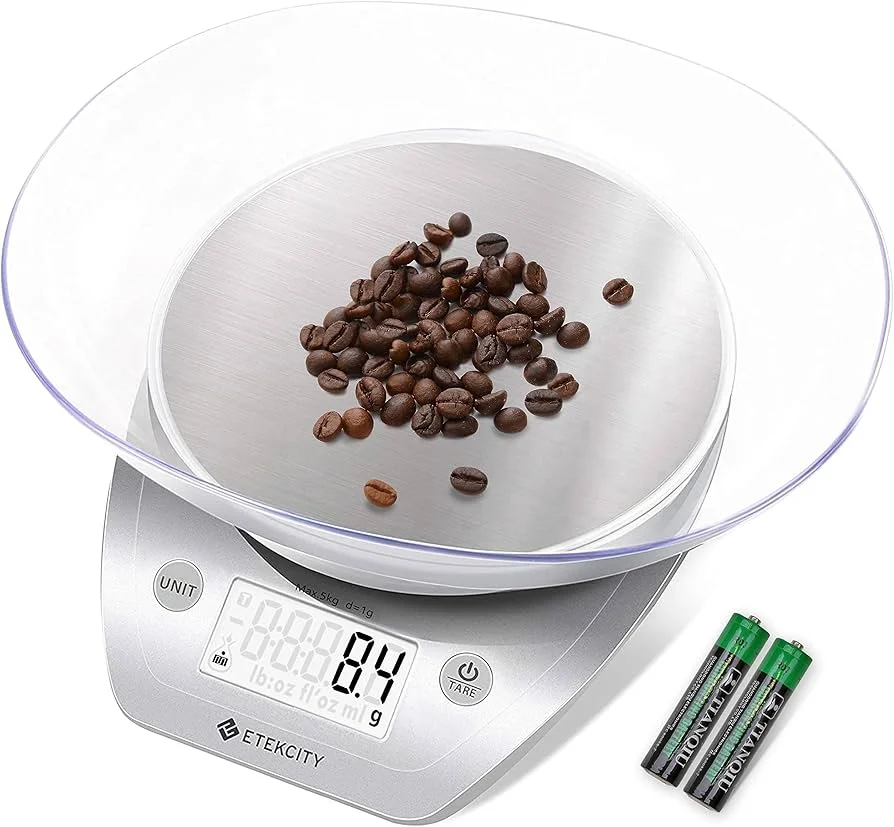
- Razor-Accurate Every Time: Dual-increment precision down to 0.1g — perfect for baking, meal prep, and portion control with g, oz, ml, and fl'oz modes.
- Smart Removable Bowl Design: Detachable bowl doubles as a protective case for compact storage. Tare function lets you weigh ingredients in any container with zero fuss.
- Built for Everyday Convenience: Auto-zero, tare function, low battery alert, overload indicator, and 2-minute auto-off to extend battery life — all in a sleek stainless steel build.
- ✓ "Perfect for baking — precise, lightweight, and stores easily without wasting counter space"
- ✓ "A game changer! Weighing ingredients is now way more accurate than measuring cups"
- ✓ "Love the 0.1g precision and backlight — best food scale I've owned. Highly recommend!"
⏰ Only a few items left in stock - order soon
Here’s the thing that confused me initially: there are now three completely different price tiers depending on how you purchase Zepbound. Understanding which one applies to you is crucial.
Important: The Zepbound price you’ll actually pay depends on whether you’re using the Self-Pay Journey Program, have commercial insurance with the Savings Card, or are paying the regular cash price. Most people qualify for one of the discounted options—keep reading to see which applies to you.
Complete Zepbound Price Breakdown by Dose (Every Option Explained)
Okay, let’s get into the actual numbers. I’m going to show you every pricing scenario because I know how frustrating it is when articles hide the details in vague ranges.
Zepbound Self-Pay Journey Program Pricing (LillyDirect Only)
This is the new Zepbound pricing everyone’s talking about. To access these prices, you need to purchase through LillyDirect and refill within 45 days of your previous order.
| Dose | Monthly Cost | Annual Cost | Savings vs. List Price |
|---|---|---|---|
| 2.5 mg | $299 | $3,588 | $9,444 (72% savings) |
| 5 mg | $399 | $4,788 | $8,244 (63% savings) |
| 7.5 mg | $449 | $5,388 | $7,644 (59% savings) |
| 10 mg | $449 | $5,388 | $7,644 (59% savings) |
| 12.5 mg | $449 | $5,388 | $7,644 (59% savings) |
| 15 mg | $449 | $5,388 | $7,644 (59% savings) |
Note: List price is $1,086/month regardless of dose. Percentages show savings from list price.
“The Zepbound 2.5 mg cost of $299/month makes it the most accessible starting dose for cash-pay patients—significantly lower than comparable weight loss medications.”
Regular Cash Price (Outside Self-Pay Program)
If you don’t purchase through LillyDirect or miss the 45-day refill window, here’s what you’ll pay at regular pharmacies:
| Dose | Monthly Cost |
|---|---|
| 2.5 mg | $599 |
| 5 mg | $699 |
| 7.5 mg – 15 mg | $1,049 |
Yeah, that’s a massive difference. This is why understanding the LillyDirect system is so important—we’re talking about saving $300-$600 per month just by buying directly from Lilly.
With Commercial Insurance (Savings Card Applied)
If you have commercial insurance that covers Zepbound (not Medicare or Medicaid), you may qualify for the Zepbound Savings Card:
$25 per month for any dose
Honestly, $25/month is incredible if you can access it. But here’s the catch: your insurance has to actually cover Zepbound in the first place. Many plans still classify it as not medically necessary or require extensive prior authorization. I’ll address how to navigate insurance barriers in a moment.
How to Actually Buy Zepbound Through LillyDirect (Step-by-Step)
Okay, you’ve seen the prices. Now let me walk you through how to actually access the Zepbound self-pay cost through LillyDirect because the process isn’t immediately obvious.
Step 1: Get a Valid Prescription
You’ll need a prescription from a licensed healthcare provider. This can be your primary care doctor, an endocrinologist, or even a telehealth provider who specializes in weight management. The prescription needs to specify the Zepbound dose your doctor is starting you on.
Step 2: Create Your LillyDirect Account
Visit LillyDirect and set up your account. You’ll need basic information: name, date of birth, shipping address, and payment method. The platform is actually quite user-friendly—much simpler than I expected.
Step 3: Upload Your Prescription
You can have your doctor send it directly to LillyDirect, or you can upload a photo/scan of your prescription through the portal. Turnaround is typically 24-48 hours for prescription verification.
Step 4: Select Self-Pay Journey Program
During checkout, you’ll see options for how you want to pay. Select the Self-Pay Journey Program to access the reduced Zepbound price without insurance. This is where you’ll see those $299-$449 prices we discussed.
Step 5: Set Up Automatic Refills (Critical!)
Here’s where people mess up: to maintain the Self-Pay pricing, you must refill within 45 days of your previous order. I strongly recommend setting up automatic refills through the platform. Miss that window even once, and you’ll pay the higher cash price for that month before you can re-enter the program.
Your medication ships directly to your door in discreet packaging with cold packs to maintain proper temperature. Shipping is typically 3-5 business days.
Pro Tip: The 45-Day Window
Think of the Self-Pay Journey Program as a subscription. As long as you refill every 28-45 days, you stay in the program at the reduced rate. Break that chain, and you’re paying regular cash prices until you re-establish the pattern. Set phone reminders at day 25 to ensure you never miss your window.
Zepbound Price With Insurance vs. Without: Which Makes More Sense?
This is the question I get asked most often, and honestly, it depends entirely on your specific insurance situation.
Let me break down the scenarios I’ve seen work best:
When Insurance Makes Sense
If your commercial insurance covers Zepbound and you qualify for the Savings Card, you’re looking at $25/month. That’s unbeatable. Even with the Self-Pay Journey Program’s reduced rates, $25 is still less than the Zepbound 2.5 mg cost of $299.
However—and this is a big however—getting insurance approval can be a nightmare. Many insurers require:
BMI of 30+ (or 27+ with weight-related health conditions), documented weight loss attempts through diet and exercise, prior authorization that can take weeks or even months, step therapy (trying cheaper medications first), and continued documentation of weight loss progress.
I’ve seen people spend three months fighting with insurance only to get denied. At that point, you’ve lost $900-$1,350 in potential progress on the self-pay program.
When Self-Pay Makes More Sense
Zepbound price without insurance through LillyDirect is straightforward: you pay $299-$449/month depending on dose, and you start immediately. No prior authorization, no appeals, no three-month wait while your insurance “reviews your case.”
For many people, especially those who are self-employed or have high-deductible health plans, the Zepbound self-pay cost is actually less hassle and potentially cheaper than navigating insurance barriers.
Plus, you maintain privacy. Some people prefer their employer-sponsored insurance not to know they’re on weight loss medication—legitimate concern in some work environments, unfortunately.
Cost Comparison Example: 6-Month Treatment
With Insurance + Savings Card: $150 total (if approved immediately)
With Insurance (3-month approval process + cash pay during wait): $1,047 (3 months self-pay) + $75 (3 months insurance) = $1,122
Self-Pay Journey Program from Day 1: $1,794 (starting dose of $299/month)
Regular Cash Price: $3,594+ (without any discounts)
The insurance route is cheapest IF you get approved immediately. The self-pay route offers certainty and immediate access.
Which is Cheaper: Zepbound or Wegovy? (The Real Comparison)
Okay, let’s address the elephant in the room. Wegovy and Zepbound are the two major players in the GLP-1 weight loss medication space, and their pricing strategies couldn’t be more different right now.
Wegovy Pricing (Novo Nordisk):
List price is around $1,349/month, savings card brings it to $550/month for some patients (with insurance coverage), and no direct-to-consumer discount program like LillyDirect exists.
Which is cheaper, Zepbound or Wegovy?
For self-pay patients, Zepbound is significantly cheaper—we’re talking $299-$449 vs. $550+ for Wegovy. That’s a difference of $251-$101 per month, or $1,212-$3,012 annually.
With insurance, the comparison gets murkier because it depends on your specific plan’s formulary. Some insurers prefer Wegovy, others prefer Zepbound. If both are covered and you’re using savings cards, Zepbound’s $25/month beats Wegovy’s typical copay structure.
From an effectiveness standpoint? Both are GLP-1 receptor agonists that work similarly. Zepbound (tirzepatide) actually has slightly better weight loss results in clinical trials—about 2-3% more total body weight loss on average—but individual results vary.
My honest take? If you’re paying out of pocket, Zepbound is the clear winner on price. If your insurance covers both equally, Zepbound still has a slight edge on both cost and effectiveness.
Medicare and Medicaid Coverage: What to Expect in 2025-2026
Here’s where things get frustrating for many people: current Medicare rules.
As of right now, Medicare Part D plans cannot cover medications prescribed solely for weight loss. This isn’t specific to Zepbound—it’s a blanket policy that affects all weight loss drugs. So if you’re on Medicare, you’re looking at Zepbound price without insurance options unless you have a comorbid condition.
However—and this is important—things are changing.
Starting April 2026, Medicare coverage will expand to include weight loss medications for beneficiaries with cardiovascular disease. If you have Medicare and a history of heart disease, stroke, or related conditions, you may finally get coverage. Check with Eli Lilly’s pricing information portal closer to that date for updates on Medicare access.
For Medicaid, coverage varies dramatically by state. Some states cover Zepbound for obesity treatment, others don’t. Your best bet is contacting your state Medicaid office directly or working with your prescriber’s office to check formulary status.
Is Zepbound Going to Get Cheaper? (Pricing Trends to Watch)
This is speculation, but informed speculation based on pharmaceutical industry trends and recent developments.
Factors That Could Lower Zepbound Price Further:
Generic Competition: Eli Lilly’s tirzepatide patent doesn’t expire until 2036, but compounded versions exist in a legal gray area. If regulations tighten on compounded semaglutide/tirzepatide, Lilly might not need to lower prices. If compounded versions remain accessible, competitive pressure could push prices down further.
TrumpRx Platform Launch: The Trump administration announced a partnership with pharmaceutical companies to launch TrumpRx in January 2026, aiming to provide medications at reduced costs. Early reports suggest GLP-1 drugs could be included. We’ll see if this materializes and what impact it has on existing pricing.
Oral GLP-1 Drugs: Eli Lilly is developing orforglipron, an oral GLP-1 medication. When it launches (projected 2026-2027), they’ve suggested pricing around $149-$399/month. This could create downward pressure on Zepbound pricing to maintain market share.
Increased Manufacturing Capacity: Supply constraints drove high prices initially. As Lilly expands production capacity, cost-per-dose decreases. Some of those savings may get passed to consumers.
My honest assessment: I don’t think we’ll see dramatic price drops below the current $299-$449 Self-Pay range in 2025. But I do think we could see the current promotional pricing become permanent rather than program-based. And if oral alternatives launch successfully, injection prices might decrease to differentiate the products.
Watch Eli Lilly’s stock performance and earnings calls—they’re surprisingly candid about pricing strategy during investor presentations.
International Zepbound Prices: Why the US Pays More
I have to address this because it’s genuinely shocking when you see the numbers.
Zepbound/Mounjaro Pricing Globally:
India is $41-$48/month (as Mounjaro), Canada sits at approximately $300/month, Japan offers it at $319/month, UK pricing through NHS is around $270/month, while the US (without Self-Pay) costs $599-$1,049/month.
Why the massive disparity?
Most countries have nationalized healthcare systems that negotiate drug prices directly with manufacturers. The US doesn’t have this mechanism at the federal level, so pharmaceutical companies charge what the market will bear. We’re essentially subsidizing lower prices in other countries.
Should you consider medical tourism for Zepbound? Honestly, the logistics are complicated. You’d need to find a prescriber in that country willing to prescribe for a visitor, navigate international pharmacy regulations, figure out storage and transportation for temperature-sensitive medication, and ensure you’re getting genuine product, not counterfeit.
The LillyDirect Zepbound price of $299-$449 has actually narrowed the gap enough that international sourcing makes less financial sense than it did when US prices were $1,000+. Plus, you lose the protections and support of the official LillyDirect platform.
Maximizing Your Savings: Strategies I’ve Learned
After months of navigating this system, here are the strategies that actually work for keeping your Zepbound price as low as possible:
Enroll in LillyDirect Immediately: Even if you’re trying the insurance route, set up your LillyDirect account. If insurance falls through, you can start self-pay without delay.
Set Calendar Reminders at Day 25: Don’t rely on memory for the 45-day refill window. Set phone/calendar reminders to order at day 25 of each cycle. This gives you cushion for shipping delays.
Start at the Lowest Effective Dose: Your doctor will likely start you at 2.5mg anyway, but this is the most affordable entry point. Only increase doses as medically necessary—don’t assume higher doses are always better.
Use GoodRx for Price Comparison: While LillyDirect usually beats pharmacy prices, occasionally you’ll find competitive pricing at major pharmacy chains during promotions. Worth checking before each refill.
Combine with Lifestyle Changes: I know this sounds like obvious advice, but medications work best alongside sustainable habits. I’ve been implementing approaches like my pink salt weight loss recipe alongside Zepbound, and the synergistic effect means I may reach my goals at a lower maintenance dose—saving money long-term.
Appeal Insurance Denials Aggressively: If your insurance denies coverage initially, appeal. Many people give up after the first denial, but second and third appeals (especially with strong documentation from your doctor) often succeed. Your doctor’s office should have experience with appeal letters.
Consider Splitting Treatment Cycles: Some people do 3-4 months on treatment, then 1-2 months on maintenance lifestyle changes. This isn’t for everyone and should be discussed with your doctor, but it can reduce annual costs if you’re achieving results.
What About the 3-Month Supply Question?
Since this is one of the most common questions: Can I get a 3 month supply of Zepbound?
Through LillyDirect’s Self-Pay Journey Program, you’re purchasing monthly. You cannot pay for three months upfront and receive a bulk discount. The 45-day refill window means you’ll order 13 times annually (every 28 days), not 12 times.
However, if you have insurance coverage through a traditional pharmacy, you may be able to fill a 90-day supply depending on your plan. This often reduces copays—instead of paying $25 three times ($75), you might pay $60 once for three months.
Talk to your insurance plan about mail-order pharmacy options or 90-day fill policies. This is one area where insurance might actually save you more than self-pay if the math works out.
For those exploring natural alternatives to Mounjaro (Zepbound’s sister medication for diabetes), you might find complementary approaches that reduce your needed dose over time, potentially decreasing your monthly costs.
Frequently Asked Questions About Zepbound Pricing
Can I get a 3 month supply of Zepbound?
Through LillyDirect’s Self-Pay Journey Program, you purchase monthly only—no bulk 3-month option exists for the reduced Zepbound price of $299-$449. You must refill within 45 days to maintain program access.
However, if you’re using insurance coverage through a traditional pharmacy, you may be eligible for 90-day supplies depending on your specific plan. Many insurance plans offer reduced copays for 90-day fills through mail-order pharmacies—for example, paying $60 once instead of $25 three times ($75 total). Contact your insurance provider to ask about extended supply options and whether they reduce your per-month cost.
Which is cheaper, Zepbound or Wegovy?
For cash-pay patients, Zepbound is significantly cheaper. Through LillyDirect’s Self-Pay Journey Program, you’ll pay $299-$449/month compared to Wegovy’s $550+ monthly cost. That’s a savings of $101-$251 per month, or $1,212-$3,012 annually.
With commercial insurance, both medications can cost as little as $25/month with manufacturer savings cards—but you must have insurance coverage first. Wegovy doesn’t offer a direct-to-consumer discount program like LillyDirect, so if insurance denies coverage, you’re stuck with higher cash prices.
Beyond price, Zepbound (tirzepatide) shows slightly better weight loss results in clinical studies—about 2-3% more total body weight loss on average. If cost is your primary concern and you’re self-paying, Zepbound is the clear winner.
How much does Zepbound cost per month?
Zepbound cost per month depends on three factors: your dose, payment method, and whether you’re using insurance.
Self-Pay Journey Program (LillyDirect): $299/month for 2.5mg, $399/month for 5mg, and $449/month for 7.5mg-15mg doses.
With Commercial Insurance + Savings Card: $25/month for any dose (if your insurance covers Zepbound).
Regular Cash Price (outside programs): $599-$1,049/month depending on dose.
List Price (before any discounts): $1,086/month.
Most people access either the $299-$449 Self-Pay pricing or the $25 insurance pricing. Very few pay full list price since multiple discount programs exist. The key is staying within the 45-day refill window for LillyDirect’s reduced pricing.
Is Zepbound going to get cheaper?
Possibly, but probably not dramatically cheaper than current LillyDirect pricing in the near term. Several factors could influence future Zepbound price trends:
Oral GLP-1 drugs: Eli Lilly’s orforglipron (oral medication) is expected to launch around 2026-2027 with pricing of $149-$399/month. This could create downward pressure on injection prices to maintain market position.
Manufacturing expansion: As Eli Lilly increases production capacity, per-unit costs decrease. Some savings may pass to consumers, though pharmaceutical companies don’t always lower prices just because production costs drop.
Medicare coverage expansion: Starting April 2026, Medicare will cover weight loss medications for patients with cardiovascular disease. Broader coverage often leads to volume-based pricing negotiations.
Competitive market dynamics: If Novo Nordisk drops Wegovy prices or new competitors enter the market, Eli Lilly may reduce prices further to maintain market share.
My prediction: The current $299-$449 Self-Pay pricing will likely become permanent rather than promotional, but I don’t expect drops below $250/month for the lowest dose in 2025. Major price reductions would more likely come in 2026-2027 when oral alternatives launch.
The Bottom Line: What You Need to Know About Zepbound Price
After spending months navigating this pricing maze myself, here’s what I wish someone had told me on day one: Zepbound price is complicated by design, but accessing the lowest costs is actually straightforward once you understand the system.
If you’re paying out of pocket, LillyDirect’s Self-Pay Journey Program at $299-$449/month is your best option—significantly more affordable than the previous $599-$1,049 range. The 45-day refill requirement isn’t unreasonable; just set reminders and you’ll never lose access.
If you have commercial insurance, fight for coverage. The $25/month Savings Card price is unbeatable, and while the approval process can be frustrating, it’s worth the effort for annual savings of $3,000+.
Don’t fall for the international pricing temptation. Yes, Zepbound costs $41/month in India, but the logistics, legality, and safety concerns aren’t worth the marginal savings compared to LillyDirect’s reduced pricing.
And honestly? Price is just one component of weight management success. I’ve combined Zepbound with sustainable nutrition approaches—like the strategies in my gelatin trick recipe and pink salt approach—and that holistic combination has made the difference. Medication works best as part of comprehensive lifestyle change, not as a standalone solution.
The pharmaceutical industry won’t make this easy, but armed with the right information, you can access these medications at prices that won’t devastate your budget. Start with LillyDirect if you’re self-paying, appeal aggressively if you’re fighting insurance, and remember that every month of treatment is an investment in your long-term health.
Is Zepbound going to get cheaper? Maybe eventually, but don’t wait for hypothetical future discounts when actionable options exist today. The $299-$449 range is already 70%+ off list price—that’s the reality we’re working with in 2025.
Ready to get started? Visit LillyDirect to explore your options and start the process. Your future self will thank you for taking this step.
About Sofie: I’m Sofie, Co-Founder of Sofie Recipes and a passionate researcher of sustainable wellness approaches that actually work in real life. With over three years of experience developing evidence-based recipes and health strategies, I’m dedicated to making wellness accessible without breaking the bank or requiring perfection.
I’ve personally navigated the complexities of weight loss medications, insurance battles, and finding what actually works when you’re balancing health goals with real-world constraints. My approach combines scientific research with practical testing—if I share something, it’s because I’ve either tried it myself or thoroughly vetted the evidence behind it.
When I’m not researching pharmaceutical pricing structures or developing recipes that support health goals, you’ll find me experimenting in my kitchen with approaches like natural metabolic support that complement conventional treatments. Because the best wellness strategy is the one that fits seamlessly into your actual life.
Sofie Recipes is part of FLX-People LLC, committed to delivering honest, actionable wellness content for people who value both flavor and function in their health journey.