 Skip to content


The landscape of weight management has undergone a dramatic transformation with the emergence of prescription weight-loss medications. As these treatments gain widespread attention, understanding how Zepbound works for weight loss has become increasingly important for those considering their options.
Table of Contents
Shifting Perspectives on Obesity Treatment
Medical professionals are reshaping how we understand obesity. Dr. Clare Lee, an Obesity Specialist and Endocrinologist at Eli Lilly and Company, explains this evolution: “For decades, obesity was viewed as simply a matter of willpower. The prevailing belief was that proper diet and exercise alone could resolve weight challenges.”
Today’s medical community recognizes obesity as a complex metabolic condition requiring comprehensive treatment approaches that may include medication alongside lifestyle modifications.
Understanding How Zepbound Works for Weight Loss
Zepbound represents an FDA-approved injectable prescription medication designed specifically for weight management. The treatment targets adults dealing with obesity or those with overweight conditions accompanied by weight-related health complications.
The medication contains tirzepatide as its active ingredient, which operates through a dual-action mechanism affecting the body’s metabolic processes. When examining how Zepbound works for weight loss, it’s essential to understand that it functions by targeting specific receptors involved in appetite regulation and glucose metabolism.
Key Aspects of Treatment
The medication protocol requires:
- Regular injections as prescribed by a healthcare provider
- Integration with reduced-calorie dietary plans
- Commitment to increased physical activity
- Ongoing medical supervision
Patients should note that Zepbound shouldn’t be combined with other tirzepatide-containing medications or GLP-1 receptor agonist treatments. The safety and effectiveness in pediatric populations remain under investigation.
Grab This Kitchen Scale Now — Best Precision Pick!
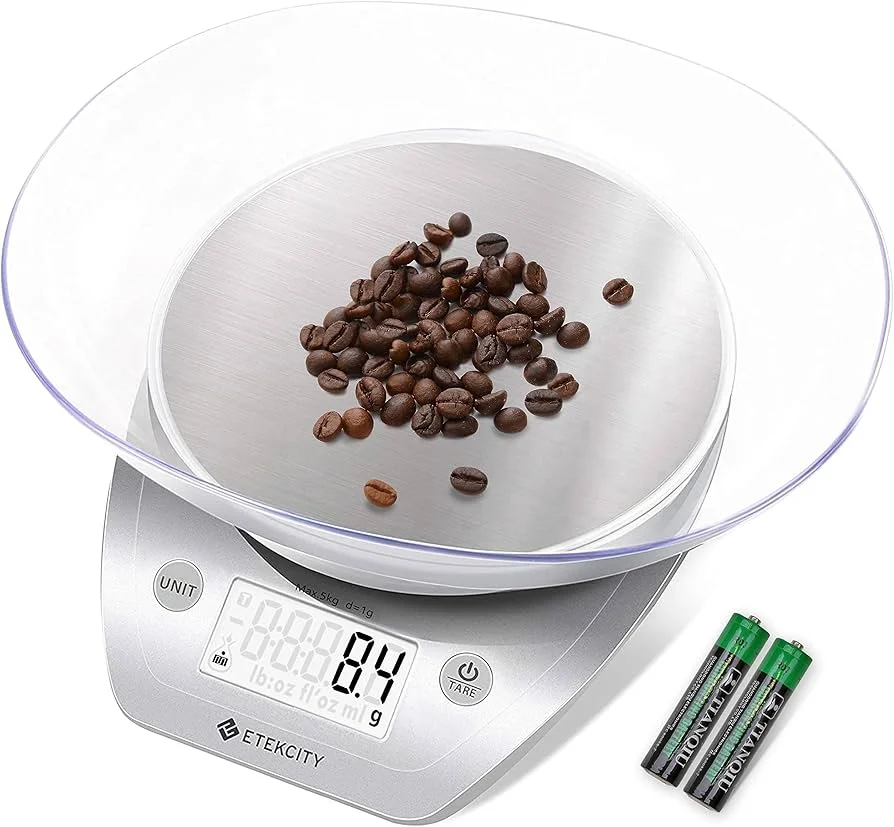
- Razor-Accurate Every Time: Dual-increment precision down to 0.1g — perfect for baking, meal prep, and portion control with g, oz, ml, and fl'oz modes.
- Smart Removable Bowl Design: Detachable bowl doubles as a protective case for compact storage. Tare function lets you weigh ingredients in any container with zero fuss.
- Built for Everyday Convenience: Auto-zero, tare function, low battery alert, overload indicator, and 2-minute auto-off to extend battery life — all in a sleek stainless steel build.
- ✓ "Perfect for baking — precise, lightweight, and stores easily without wasting counter space"
- ✓ "A game changer! Weighing ingredients is now way more accurate than measuring cups"
- ✓ "Love the 0.1g precision and backlight — best food scale I've owned. Highly recommend!"
⏰ Only a few items left in stock - order soon
Beyond Physical Health: Addressing Emotional Well-being
Fashion designer and television personality Tan France highlights an often-overlooked dimension of obesity through the Changing the Thread Collection initiative. “Individuals struggling with weight often use clothing as a shield against societal bias and judgment,” France observes. “This external prejudice frequently becomes internalized, significantly influencing wardrobe choices and self-expression.”
Critical Safety Considerations
Before starting treatment, patients must discuss their complete medical history with their healthcare provider. Important warning signs requiring immediate medical attention include:
- Unusual neck lumps or swelling
- Voice changes or hoarseness
- Difficulty swallowing
- Breathing difficulties
These symptoms could indicate thyroid complications. Clinical studies in rodents showed connections between tirzepatide and thyroid tumors, though the human risk profile requires further study.
Contraindications: Zepbound is not appropriate for individuals with personal or family history of medullary thyroid carcinoma (MTC) or those diagnosed with Multiple Endocrine Neoplasia syndrome type 2 (MEN 2).
The Comprehensive Approach
Understanding how Zepbound works for weight loss involves recognizing it as one component within a broader health strategy. The medication enhances weight reduction efforts when combined with nutritional modifications and exercise routines, offering support where lifestyle changes alone may prove insufficient.
Medical supervision throughout treatment ensures proper dosing, monitoring of results, and management of any adverse effects. This comprehensive approach maximizes potential benefits while maintaining patient safety.
Looking Forward
As weight management science continues advancing, medications like Zepbound provide new pathways for those facing obesity-related health challenges. By combining pharmaceutical innovation with lifestyle modifications and addressing the psychological aspects of weight management, patients can work toward sustainable health improvements with professional medical guidance.
FAQs
How much weight can you lose in a month with Zepbound?
Weight loss varies by individual, but expect gradual results during the first month—typically a few pounds as your body adjusts. Most significant weight loss occurs between months 3-12 of treatment. Results depend on starting weight, dosage, diet adherence, and exercise. Zepbound is designed for sustained long-term weight management, not rapid monthly drops.
How long does it take to see weight loss when using Zepbound?
Most patients notice measurable weight loss within 4-8 weeks of starting treatment. Some early responders see changes within a few weeks, while others need 2-3 months. Peak weight loss typically occurs after several months of continuous use as the medication reaches optimal levels and works with lifestyle changes.
What to expect in the first week of Zepbound?
The first week is an adjustment period. Expect reduced appetite and smaller portion satisfaction, possible mild nausea or digestive changes, potential energy fluctuations, minimal weight changes on the scale, and possible mild injection site reactions. Most side effects diminish as your body adapts.
How does Zepbound make you not hungry?
Zepbound contains tirzepatide, which activates GIP and GLP-1 receptors. This slows stomach emptying (keeping you fuller longer), influences brain appetite centers to reduce cravings, and stabilizes blood sugar to prevent hunger spikes. The result: reduced hunger, satisfaction with smaller portions, and fewer cravings—making calorie reduction easier without relying solely on willpower.