 Skip to content
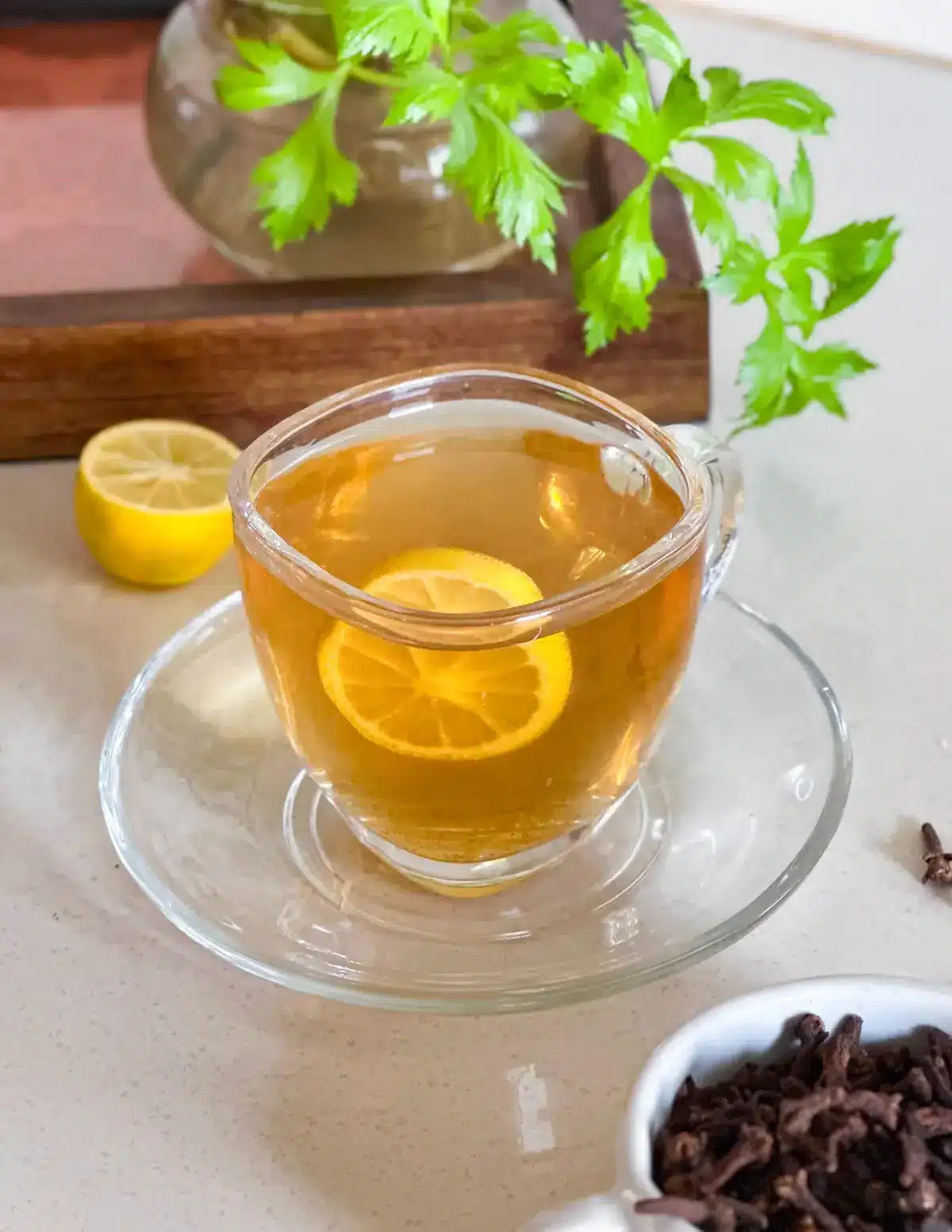
There’s something almost magical about the moment those tiny, nail-shaped spices hit hot water. The aroma rises immediately—warm, slightly sweet, and unmistakably comforting. I first discovered clove tea during a particularly brutal winter when I was desperately searching for something to soothe a scratchy throat without reaching for another over-the-counter remedy.
What started as a quick home remedy turned into a genuine appreciation for this ancient herbal infusion. After months of experimenting with different brewing methods, clove quantities, and flavor combinations, I’ve learned that the perfect clove tea recipe isn’t complicated—but it does require knowing a few key details that most recipes gloss over.
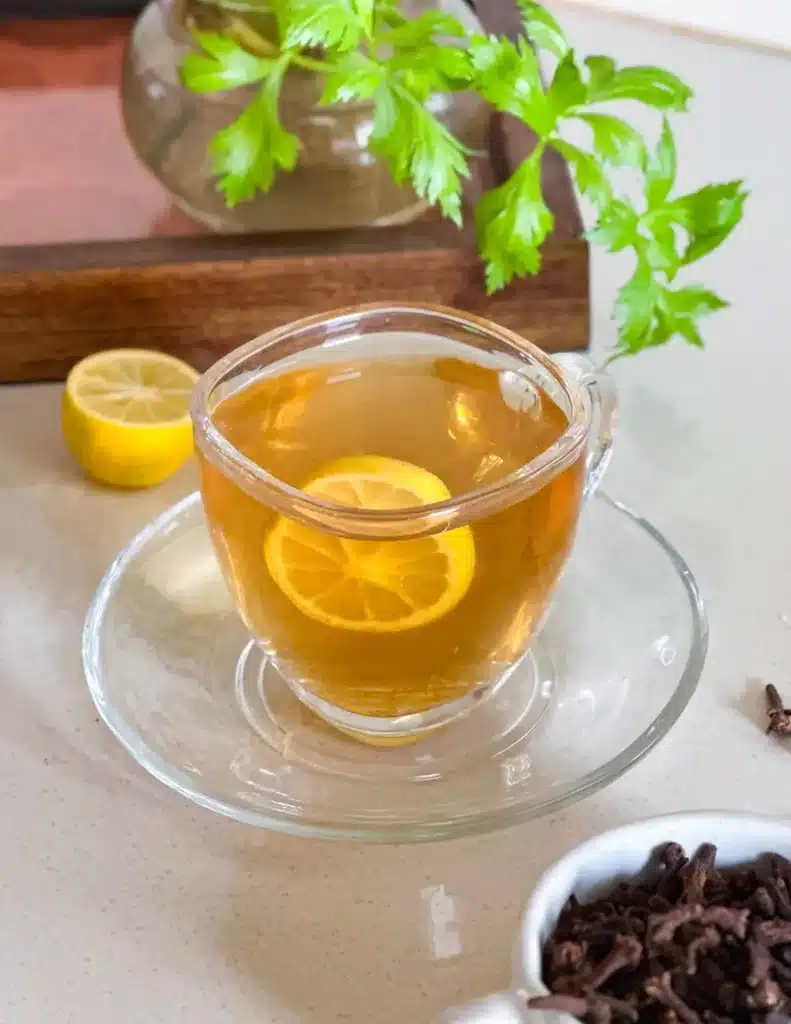
Whether you’re curious about clove tea benefits for digestion, looking for a clove tea recipe for cough relief, or simply want a caffeine-free warming drink, this guide covers everything you need to know. And yes, we’ll address the elephant in the room: those weight loss claims you’ve probably seen floating around social media.
Key Takeaways: What You Need to Know About Clove Tea
- Clove tea is naturally caffeine-free, making it perfect for evening sipping or those sensitive to stimulants
- The ideal ratio is 5-6 whole cloves per cup for most people—start with 3-4 if you’re new to this aromatic brew
- Steeping produces a gentler flavor (5-10 minutes), while simmering creates a bolder, more intense cup
- Clove tea benefits include digestive support and anti-inflammatory properties, though it’s a wellness tool—not a miracle cure
- Pair this clove tea recipe with other natural approaches like my pink salt recipe for weight loss for a holistic wellness routine
What Is Clove Tea and Why Should You Care?
Let’s start with the basics. Clove tea is simply an herbal infusion made by steeping or simmering whole cloves in hot water. Those little dried flower buds—yes, they’re actually unopened flower buds from the clove tree—have been used in traditional medicine for centuries, long before any of us started posting about them on Instagram.
The flavor profile is distinctive: warm, slightly sweet, with that characteristic spiciness that makes cloves a staple in holiday baking and mulled drinks. Think of it as chai’s minimalist cousin—all that warming comfort without the complexity of multiple spices (unless you want to add them, which we’ll get to).
What makes this simple drink worth your attention? The compound eugenol, which gives cloves their distinctive aroma, has been studied for its potential anti-inflammatory and antimicrobial properties. This is why clove tea keeps showing up in conversations about natural wellness—it’s not just pleasant to drink, it actually contains compounds your body might appreciate.
I’ve found it particularly useful as a digestive after heavy meals and as a warming ritual during cold weather. It’s also become part of my broader approach to natural wellness, alongside other simple remedies like the gelatin trick that’s been making rounds lately.
Grab This Kitchen Scale Now — Best Precision Pick!
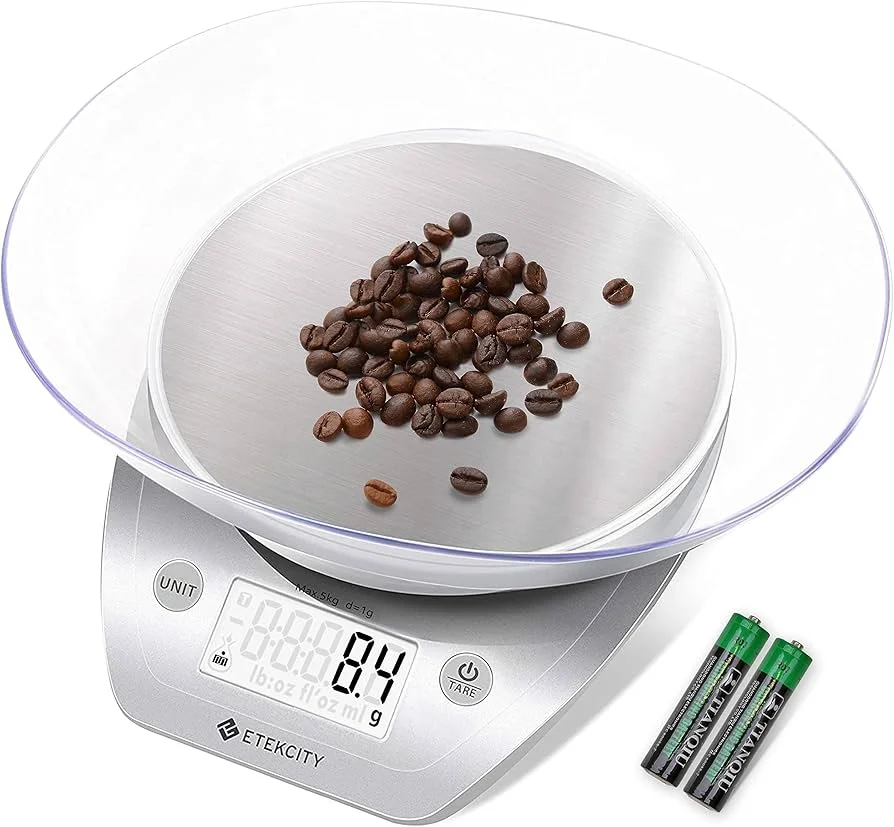
- Razor-Accurate Every Time: Dual-increment precision down to 0.1g — perfect for baking, meal prep, and portion control with g, oz, ml, and fl'oz modes.
- Smart Removable Bowl Design: Detachable bowl doubles as a protective case for compact storage. Tare function lets you weigh ingredients in any container with zero fuss.
- Built for Everyday Convenience: Auto-zero, tare function, low battery alert, overload indicator, and 2-minute auto-off to extend battery life — all in a sleek stainless steel build.
- ✓ "Perfect for baking — precise, lightweight, and stores easily without wasting counter space"
- ✓ "A game changer! Weighing ingredients is now way more accurate than measuring cups"
- ✓ "Love the 0.1g precision and backlight — best food scale I've owned. Highly recommend!"
⏰ Only a few items left in stock - order soon
The Essential Clove Tea Recipe: Two Methods
Here’s the thing about brewing clove tea—you have options, and the method you choose actually affects the final result. I’ve tested both approaches extensively, and each has its place in my routine.

Clove Tea Recipe for Weight Loss
Sofie NienhausIngredients
- 1 cup water 8 to 12 oz
- 5 whole cloves adjust to taste
Optional add-ins
- 2 slices fresh ginger
- 1 small cinnamon stick
- .10 lemon slice
- 1 teaspoons honey or maple syrup
Instructions
Mug steep method
- Bring water to a boil, then let it sit 30 to 60 seconds.
- Add cloves to a mug.
- Pour hot water over cloves and steep for 5 to 10 minutes.
- strain (or remove cloves) and serve.
Stovetop simmer method
- Add water and cloves to a small pot.
- Bring to a gentle boil, then reduce heat and simmer for 5 to 8 minutes.
- Turn off heat, cover, and rest 2 to 5 minutes.
- strain and serve.
Notes
Let the cloves steep for about 5–10 minutes. If the tea tastes bitter, it usually means the cloves steeped too long or too many were added.
When using ground cloves, add just a tiny pinch and strain with a fine mesh—ground cloves become strong and gritty very quickly.
If you want caffeine, brew a black or green tea bag separately and add it after simmering the cloves
Nutrition
Clove Tea Recipe: Mug Steep Method (Quick & Gentle)
Best for: A lighter, more delicate cup when you want the flavor without overwhelming intensity.
Ingredients:
5 whole cloves (adjust to taste), 1 cup (8-12 oz) water, Optional: honey, lemon, ginger slices
Instructions:
Bring water to a boil, then let it sit for 30-60 seconds—you want it hot but not aggressively bubbling. Place whole cloves in your mug, pour the hot water over them, and steep for 5-10 minutes. Strain out the cloves (or fish them out with a spoon) and enjoy.
Clove Tea Recipe: Stovetop Simmer Method (Bold & Intense)
Best for: A stronger, more aromatic cup when you want the full clove experience.
Ingredients:
5-8 whole cloves, 1 cup water, Optional add-ins: cinnamon stick, fresh ginger, lemon
Instructions:
Add water and cloves to a small pot. Bring to a gentle boil, then reduce heat and simmer for 5-8 minutes. Turn off heat, cover the pot, and let it rest for 2-5 minutes. Strain and serve hot.
Personally, I reach for the stovetop method on cold mornings when I want something that really fills the room with that warm, spicy aroma. The mug steep method is my go-to for afternoon cups when I want something soothing but not overpowering.
How Many Cloves Per Cup of Tea? The Real Answer
This is where most clove tea recipes fail you. They give you a number without explaining that clove intensity varies, personal preference matters, and getting it wrong can mean the difference between “delicious” and “did I accidentally make clove-flavored battery acid?”
Here’s my tested guide for an 8-12 oz mug:
| Intensity | Cloves Per Cup | Best For | Notes |
|---|---|---|---|
| Mild | 3-4 | Beginners, sensitive palates | Gentle warmth, easy to drink |
| Medium | 5-6 | Regular drinking, balanced flavor | This is my sweet spot |
| Strong | 7-8 | Bold flavor lovers, medicinal use | Can get bitter—watch steep time |
Pro tip: Cloves are powerful little things. If your tea tastes bitter or has that “spicy-hot” sensation that’s more painful than pleasant, you’ve either used too many cloves or steeped too long. Scale back next time—this is one drink where more isn’t always better.
How Long to Steep Cloves in Tea for Perfect Flavor
The steep time question comes up constantly, and honestly, I understand why. Get it wrong, and you’ll either end up with vaguely clove-scented water or something so intense it numbs your mouth.
For the mug steep method: 5-10 minutes is your window. I usually go for 7 minutes, which gives a balanced flavor without bitterness. If you’re using more cloves (7-8), stay closer to the 5-minute mark.
For the stovetop simmer method: Simmer for 5-8 minutes, then rest with the lid on for 2-5 minutes. The resting period is crucial—it allows the flavors to mellow slightly while the liquid cools to a drinkable temperature.
What if it’s too bitter? Don’t throw it out. Add a squeeze of fresh lemon (the acidity helps balance bitterness) or stir in a teaspoon of honey. Next time, strain earlier or reduce your clove count.
Clove Tea Benefits: What the Science Actually Says
Let’s have an honest conversation about clove tea benefits. Social media makes it sound like this humble drink can solve every problem from weight gain to world peace. The reality is more nuanced—but still genuinely interesting.
Cloves contain eugenol, a compound that’s been studied for various potential benefits of clove tea. Here’s what we actually know:
Anti-inflammatory properties: Eugenol has demonstrated anti-inflammatory effects in laboratory studies. This is why clove tea is traditionally used for conditions associated with inflammation, from sore throats to joint discomfort. However, drinking tea delivers much lower concentrations than what’s used in studies, so effects are modest.
Digestive support: This is where I’ve personally noticed the most benefit. A cup of clove tea after a heavy meal genuinely seems to help with that bloated, uncomfortable feeling. Traditional medicine systems have used cloves for digestive complaints for centuries, and there’s emerging research supporting this use.
Antioxidant content: Cloves are remarkably high in antioxidants. Whether drinking them as tea delivers meaningful antioxidant benefits is still being studied, but it certainly doesn’t hurt.
Oral health: The antimicrobial properties of cloves are well-established—it’s why clove oil has been used in dentistry for decades. A warm cup of clove tea might support oral health, though it’s not a substitute for actual dental care.
The Weight Loss Question
I know why you’re really here. You’ve seen the claims about clove tea recipe for weight loss, and you want to know if there’s any truth to them.
Here’s my honest take: Clove tea is not a weight loss miracle. No tea is. Anyone telling you otherwise is selling something—probably a course or a product.
That said, there are legitimate ways clove tea can support weight management as part of a broader approach. It’s naturally calorie-free, so replacing sugary drinks with clove tea creates an automatic calorie deficit. The warm, satisfying ritual of drinking tea can help curb unnecessary snacking. And some people find it helps with digestion and reduces bloating, which affects how you feel in your body even if it’s not technically weight loss.
If you’re interested in natural approaches to weight management, clove tea works well alongside other evidence-based strategies like the natural Mounjaro recipe or the Costa Rican tea recipe. The key is combining multiple supportive habits rather than expecting any single food or drink to do all the work.
Clove Tea Recipe for Cough and Cold Relief
This is where clove tea really shines in my experience. When I feel that first scratch in my throat that signals an incoming cold, this is my go-to remedy.
The warming sensation, combined with the potential antimicrobial properties of eugenol, makes clove tea genuinely soothing when you’re under the weather. Here’s my enhanced version for cough relief:
Clove Tea Recipe for Cough and Cold
Ingredients:
6 whole cloves, 1 cup water, 3-4 slices fresh ginger, 1 small cinnamon stick, 1 tablespoon honey (after straining), Juice of half a lemon (after straining)
Instructions:
Combine water, cloves, ginger, and cinnamon in a small pot. Bring to a gentle boil, then reduce heat and simmer for 8-10 minutes. Turn off heat, cover, and rest for 5 minutes. Strain into your mug, then stir in honey and lemon juice. Sip slowly while warm.
The ginger adds extra warming properties and has its own throat-soothing benefits. The honey coats and soothes, while the lemon provides vitamin C and helps cut through any bitterness. I drink this 2-3 times daily when I’m fighting a cold, and it genuinely helps me feel more comfortable.
Clove Tea Side Effects and Safety Considerations
Because I believe in giving you the complete picture—not just the pretty parts—let’s talk about clove tea side effects and who should be cautious.
For most people, a few cups of clove tea daily is perfectly safe. However, cloves are potent, and problems typically arise when people go overboard—either drinking too much or making it too concentrated.
Who should be cautious:
People on blood-thinning medication: Eugenol may have blood-thinning effects. If you take warfarin or similar medications, consult your healthcare provider before making clove tea a regular habit.
Pregnant or breastfeeding women: While culinary amounts of cloves are generally considered safe, concentrated forms (like strong teas consumed frequently) are less studied. Err on the side of moderation and check with your provider.
People with bleeding disorders: The potential blood-thinning properties of cloves mean extra caution is warranted.
Those with upcoming surgery: Stop drinking clove tea at least two weeks before scheduled surgery due to potential effects on bleeding.
People with liver conditions: High doses of eugenol have been associated with liver concerns in some cases. Stick to moderate consumption.
The key phrase here is “moderate consumption.” A cup or two of clove tea daily, made with 5-6 cloves, is quite different from drinking strong clove concentrate all day long. More isn’t always better with herbal preparations.
Clove Tea vs Clove Water: What’s the Difference?
This question comes up constantly, and I understand the confusion. Both involve cloves and water, so what’s the distinction?
Clove tea (what we’ve been discussing) is typically made with hot water, either by steeping or simmering. You drink it fresh, it’s warm and aromatic, and the heat helps extract the beneficial compounds from the cloves.
Clove water usually refers to cloves soaked in room-temperature or cold water overnight. Some people drink larger amounts of this throughout the day, often as part of viral “detox” protocols.
Here’s my honest opinion: clove tea is the more traditional, tested approach. Hot water extracts more of the beneficial compounds. Clove water protocols often come with exaggerated claims and lack the same historical or scientific backing.
If you want the benefits of cloves, the warm tea route makes more sense and tastes significantly better. The overnight soaking method often results in an unpleasantly strong, cold liquid that’s harder to enjoy.
Creative Clove Tea Variations to Try
Once you’ve mastered the basic clove tea recipe, there’s a whole world of variations to explore. Here are my favorites:
Clove and Ginger Tea
This is probably my most-made variation. The combination is warming, slightly spicy, and absolutely perfect for cold weather. Use 5 cloves and 3-4 slices of fresh ginger, simmer for 8 minutes. The ginger adds brightness that balances clove’s intensity beautifully.
Creamy Clove Tea
For those who prefer a softer, more approachable cup, add a splash of milk or your favorite non-dairy alternative after straining. The creaminess mellows the clove flavor significantly. This version is especially nice in the evening.
Spiced Clove Tea (Mini Chai)
Add a cinnamon stick, 2-3 cardamom pods, and a small piece of fresh ginger to your cloves. Simmer together for 10 minutes. This creates a simplified chai-style drink without needing five different spices. Finish with a splash of milk and honey if desired.
Clove Tea with Caffeinated Tea Base
If you want the warming properties of cloves but also need some caffeine, here’s the trick: prepare your clove tea using the simmer method, strain out the cloves, then use that spiced water to steep a black or green tea bag for 2-3 minutes. The result is a spiced, caffeinated cup that works wonderfully in the morning.
Iced Clove Tea
Yes, this works, and it’s surprisingly refreshing. Make a stronger batch using the stovetop method (8 cloves per cup). Let it cool completely, then refrigerate. Serve over ice with a squeeze of lemon. It’s an unexpected but pleasant summer drink.
What Not to Mix with Clove Tea
While experimenting is generally encouraged, there are some combinations that don’t work well or might cause issues:
Too many strong spices at once: Cloves are intense. Adding equally strong spices like fresh turmeric or black pepper can create an overwhelming, borderline unpleasant drink. Let cloves be the star, with gentler supporting players like ginger or cinnamon.
Acidic fruits during brewing: Adding lemon or other citrus directly to simmering water with cloves can create a strange, slightly metallic taste. Add citrus after straining for best results.
Artificial sweeteners: The chemical taste of artificial sweeteners tends to clash with clove’s natural complexity. If you need sweetness, honey or maple syrup work much better.
Alcohol in large amounts: While mulled wine traditionally includes cloves, combining concentrated clove tea with significant alcohol might intensify any blood-thinning effects. Occasional mulled wine is fine; don’t make strong clove tea and add whiskey daily.
Storage and Make-Ahead Tips
Life is busy, and sometimes you want your clove tea ready to go. Here’s what actually works:
Storing brewed tea: Once strained, clove tea keeps in a sealed jar in the refrigerator for up to 3 days. The flavor intensifies as it sits, so you might want to dilute with a bit of water when reheating.
Reheating: Gentle stovetop reheating is best. Microwaving works but can sometimes create uneven heating that affects flavor. Don’t reboil—just warm it through.
Batch brewing: If you drink clove tea daily, make a double or triple batch using the stovetop method. Strain and refrigerate. This saves time and ensures you’ll actually drink it rather than skipping because brewing seems like too much effort.
Storing whole cloves: Whole cloves keep for up to a year in an airtight container stored away from heat and light. They should smell strongly aromatic; if they smell dusty or faint, they’ve lost potency.

Choosing Quality Cloves for Your Tea
The quality of your cloves genuinely affects the final result. Here’s what to look for:
Whole cloves over ground: Always. Whole cloves retain their essential oils much longer and steep cleanly without the gritty texture ground cloves create. If you must use ground cloves (we’ve all been there), use just a tiny pinch and strain through a fine mesh.
Appearance: Good cloves are reddish-brown, plump, and slightly oily-looking. Avoid cloves that appear faded, dusty, or dried out.
Aroma test: Quality cloves smell strongly aromatic the moment you open the container. If you can barely smell them, they won’t taste like much either.
Sourcing: While any grocery store cloves will work, specialty spice shops often carry fresher, more aromatic options. It’s one of those ingredients where spending slightly more delivers noticeably better results.
Is Clove Tea Recipe for Sleep?
This is a question I get asked surprisingly often, and the answer is nuanced. Clove tea isn’t traditionally classified as a “sleep tea” the way chamomile or valerian root are, but that doesn’t mean it can’t support better rest.
Here’s what we know: clove tea is naturally caffeine-free, which immediately makes it a safe evening drink. Unlike green tea or black tea, you won’t be lying awake because of stimulants. That’s a solid foundation for any bedtime beverage.
The warming, aromatic quality of clove tea also creates a calming ritual. There’s genuine research showing that warm beverages before bed can help signal to your body that it’s time to wind down. The act of slowly sipping something warm and fragrant engages your senses in a gentle way that supports relaxation.
Some people report that clove’s natural compounds help ease digestive discomfort—and if you’ve ever tried to sleep with an upset stomach, you know how much that matters. A settled digestive system absolutely contributes to better sleep quality.
My Evening Clove Tea Recipe for Relaxation
If you want to use clove tea as part of your wind-down routine, here’s the version I find most soothing:
Relaxing Evening Clove Tea
Ingredients:
4 whole cloves (keep it mild for evening), 1 cup water, 1 small cinnamon stick, 1 teaspoon honey, Splash of warm milk or oat milk (optional)
Instructions:
Simmer cloves and cinnamon in water for 5-6 minutes—don’t go too long or it gets too intense for evening drinking. Strain into your favorite mug, stir in honey, and add a splash of warm milk if you like a creamier, more comforting cup. Drink about 30-45 minutes before bed.
The cinnamon adds warmth without stimulation, and the honey provides a touch of sweetness that feels indulgent without being heavy. The optional milk makes it feel more like a bedtime treat—almost like a simplified, healthier version of those fancy café drinks.
The honest truth: If you struggle with serious insomnia, clove tea alone won’t solve the problem. But as part of a relaxing evening routine—dimmed lights, no screens, warm drink, quiet time—it can absolutely play a supportive role. I often alternate between this clove tea recipe and chamomile depending on my mood, and both help me transition into sleep mode.
For those specifically seeking sleep support, you might also explore other natural approaches. The gelatin trick has gained attention for various wellness benefits, and combining multiple gentle practices often works better than relying on any single remedy.
The Bottom Line on Clove Tea
After all these months of daily clove tea brewing, here’s what I know for certain: this is a genuinely useful addition to a wellness-focused kitchen. It’s not a miracle cure—no tea is—but it’s a warming, comforting, caffeine-free drink with real historical backing and emerging scientific interest.
What I appreciate most about this clove tea recipe is its simplicity. Five cloves. Hot water. Five to ten minutes of your time. That’s it. In a world of complicated wellness protocols and expensive supplements, there’s something refreshing about a remedy that costs pennies and has been used for centuries.
Start with a mild cup if you’re new to the flavor. Experiment with ginger and cinnamon additions. Try it as a post-meal digestive or a cold-weather warmer. Pay attention to how your body responds. And please—don’t expect it to replace medical care or produce dramatic weight loss. That’s not what clove tea is for.
What it is for is being one more tool in your natural wellness toolkit. Combined with other simple approaches—like supportive recipes and natural alternatives—it becomes part of a sustainable, enjoyable approach to feeling good in your body.
Make your first cup tonight. Let the aroma fill your kitchen. Take a moment to just be present with something warm in your hands. That, more than any specific compound, might be clove tea’s greatest benefit of all.
Frequently Asked Questions About Clove Tea
Does clove tea have caffeine?
No, clove tea made from whole cloves and water is naturally caffeine-free. This makes it an excellent choice for evening drinking or for those who are sensitive to caffeine. If you want a caffeinated version, you can steep a black or green tea bag in your strained clove tea for 2-3 minutes—just know that the caffeine comes from the added tea, not the cloves themselves.
Can I drink clove tea every day?
Many people enjoy clove tea daily without issues. The key is moderation—a mild to medium-strength cup (3-6 cloves) is a more comfortable daily choice than an extra-strong brew. If you have any of the health conditions mentioned in the safety section (blood-thinning medication, pregnancy, upcoming surgery), check with your healthcare provider before making it a daily habit. Personally, I drink 1-2 cups most days and have experienced no problems.
How many cloves per cup of tea is best for beginners?
If you’re new to clove tea, start with 3-4 whole cloves per 8-12 oz cup. This produces a mild, approachable tea that lets you appreciate the flavor without being overwhelmed. You can always add more cloves next time if you want a stronger cup. Most people settle into the 5-6 clove range for regular drinking once they’re familiar with the taste.
How long to steep cloves in tea for the best flavor?
For the mug steep method, 5-10 minutes produces the best results—I typically go for 7 minutes. For stovetop simmering, 5-8 minutes of active simmering followed by 2-5 minutes of covered resting time creates a well-balanced cup. If your tea tastes bitter, you’ve either steeped too long or used too many cloves. Try straining earlier next time.
Can I make clove tea with ground cloves?
You can, but I don’t recommend it. Ground cloves create a gritty texture that’s hard to fully strain out, and they turn bitter more quickly than whole cloves. If ground cloves are all you have, use a very small pinch (1/8 teaspoon or less) and strain through a fine mesh sieve or cheesecloth. Whole cloves are easier, cleaner, and produce better-tasting tea.
What’s the difference between clove tea vs clove water?
Clove tea is typically steeped or simmered with hot water, then strained and consumed warm. Clove water usually refers to cloves soaked overnight in room-temperature water, sometimes consumed in larger amounts throughout the day. Tea extracts more beneficial compounds due to the heat and is the more traditional preparation method. Clove water protocols often come with exaggerated wellness claims that aren’t well-supported by evidence.
What does clove tea taste like?
Clove tea has a bold, warm, and spicy flavor profile. The dominant note is distinctly “clove”—that warm, slightly sweet, aromatic quality you might recognize from holiday baking or mulled drinks. There’s a slight numbing sensation on the tongue (this is the eugenol), and when brewed too strong, it can become bitter or intensely spicy. Think of it as a minimalist warm spice tea—all the comfort of chai with fewer ingredients.
Is it better to steep or simmer cloves?
It depends on what you want. Steeping (pouring hot water over cloves in a mug) produces a lighter, smoother, more delicate cup—perfect for casual drinking or if you find clove flavor intense. Simmering (cooking cloves in water on the stovetop) extracts more flavor and creates a bolder, more aromatic tea—great when you want maximum warmth or are using the tea for soothing purposes. I use both methods depending on my mood and goals.
How to make tea using cloves?
The simplest method: bring 1 cup of water to a boil, let it sit for 30-60 seconds, place 5 whole cloves in your mug, pour the hot water over them, steep for 5-10 minutes, then strain and enjoy. For a stronger cup, add cloves and water to a small pot, bring to a gentle boil, reduce heat and simmer 5-8 minutes, rest covered for 2-5 minutes, then strain. Add honey, lemon, or ginger to taste.
How many cloves should I boil for tea?
For one cup (8-12 oz) of clove tea, use 5-6 whole cloves for a medium-strength tea. Beginners should start with 3-4 cloves, while those who want a stronger, more medicinal-tasting cup can use 7-8. Remember that you can always make your next cup stronger, but you can’t un-steep an overly intense brew.
What not to mix with clove tea?
Avoid combining clove tea with too many other strong spices (it becomes overwhelming), adding citrus during the brewing process (creates an off taste—add after straining instead), using artificial sweeteners (they clash with clove’s complexity), or regularly combining with significant amounts of alcohol (may intensify any blood-thinning effects). Gentle additions like honey, ginger, cinnamon, and a splash of milk all work beautifully.
Is it okay to drink clove tea every day?
For most healthy adults, yes. Many people incorporate a daily cup of clove tea into their routine without issues. The key is keeping it moderate—a standard-strength cup (5-6 cloves) rather than highly concentrated brews. If you’re pregnant, on blood thinners, or have a bleeding disorder, consult your healthcare provider before daily consumption. Listen to your body; if you experience any digestive upset or unusual symptoms, reduce your intake.
Is good clove tea for sleep?
Clove tea can support better sleep as part of a relaxing evening routine, though it’s not a traditional “sleep tea” like chamomile. Its key advantage is being naturally caffeine-free, so it won’t interfere with sleep the way caffeinated beverages can. The warming ritual of sipping clove tea before bed helps signal your body to wind down, and if digestive discomfort keeps you awake, clove’s soothing properties may help settle your stomach. For best results as a bedtime drink, make a milder version (3-4 cloves) with a touch of honey and warm milk about 30-45 minutes before bed.