 Skip to content

Picture this: I’m scrolling through TikTok at 11 PM (don’t judge me), fighting the urge to raid my pantry for the third time that evening, when I stumble across a video of someone making what looks like… jiggly cubes? The caption reads “gelatin trick for weight loss” and honestly, my first thought was here we go again with another viral gimmick.
But here’s the thing—this gelatin trick recipe kept popping up. Not just on TikTok, but on Pinterest, in wellness forums, and even Dr. Jennifer Ashton shared her take on Instagram. So naturally, my curiosity won out over my skepticism.

Fast forward sixty days, and I’m genuinely surprised by what I discovered. No, this isn’t some magic fat-melting miracle (spoiler: those don’t exist). But as someone who’s tested everything from the pink salt weight loss recipe to various appetite control methods, I can tell you the gelatin trick recipe actually has some science behind it—and more importantly, it works as part of a holistic approach.
Key Takeaways: What You Need to Know About the Gelatin Trick Recipe
- The gelatin trick recipe is a simple 3-ingredient method using unflavored gelatin to create satisfying, low-calorie cubes that support appetite control
- It works through protein-based satiety and the amino acid glycine, which may support metabolism—not by “burning fat” magically
- This isn’t Dr. Jennifer Ashton’s official method, but she’s discussed similar gelatin-based approaches for wellness
- Timing matters: consuming gelatin cubes 15-20 minutes before meals provides the most effective satiety benefits
- Real results after 60 days: modest weight loss (4-5 pounds), significantly reduced cravings, improved between-meal satisfaction
- Works best when combined with mindful eating practices and whole-food nutrition—not as a standalone solution
Table of Contents
What Is the Gelatin Trick Recipe? (And Why Everyone’s Talking About It)
Let’s cut through the noise right away. The gelatin trick for weight loss recipe is essentially a simple preparation method where you dissolve unflavored gelatin powder in liquid, chill it until it sets into firm cubes or a gel consistency, then consume these cubes before meals or when cravings strike.
The viral gelatin trick recipe weight loss TikTok videos you’ve probably seen show people making colorful batches, storing them in containers, and eating them throughout the day. Some versions use just water, others incorporate tea or fruit juice for flavor. The core principle remains the same: you’re creating a protein-rich, virtually calorie-free snack that theoretically helps you feel fuller.
Now, here’s what I need you to understand before we go any further—this isn’t some newly discovered secret. Gelatin has been used in bariatric medicine for years to help patients manage portion sizes and increase protein intake. What’s “new” is the viral marketing angle and the simplified home version that’s accessible to everyone.
According to Noom’s analysis of the gelatin trick, the method gained traction because it addresses a fundamental challenge in weight management: controlling appetite between meals without consuming significant calories.
Grab This Kitchen Scale Now — Best Precision Pick!
- Razor-Accurate Every Time: Dual-increment precision down to 0.1g — perfect for baking, meal prep, and portion control with g, oz, ml, and fl'oz modes.
- Smart Removable Bowl Design: Detachable bowl doubles as a protective case for compact storage. Tare function lets you weigh ingredients in any container with zero fuss.
- Built for Everyday Convenience: Auto-zero, tare function, low battery alert, overload indicator, and 2-minute auto-off to extend battery life — all in a sleek stainless steel build.
- ✓ "Perfect for baking — precise, lightweight, and stores easily without wasting counter space"
- ✓ "A game changer! Weighing ingredients is now way more accurate than measuring cups"
- ✓ "Love the 0.1g precision and backlight — best food scale I've owned. Highly recommend!"
⏰ Only a few items left in stock - order soon
The reason it’s called a “trick” rather than a “recipe” is actually quite clever from a marketing perspective—it implies there’s some hidden hack that makes weight loss easier. In reality? It’s just strategic protein timing combined with volume eating principles. Not sexy, but effective when done correctly.
The Real Science: Why the Gelatin Trick Recipe Actually Works
Okay, let’s talk about what’s genuinely happening in your body when you consume gelatin—because understanding the mechanism is crucial for realistic expectations.
Gelatin is almost pure protein (about 90% protein by dry weight), derived from collagen. When you eat it, you’re introducing a substantial dose of specific amino acids—primarily glycine, proline, and hydroxyproline—into your digestive system.
The Satiety Factor
Here’s the first piece of the puzzle: protein is the most satiating macronutrient. Studies consistently show that higher protein intake reduces hunger hormones like ghrelin while increasing fullness hormones like peptide YY. When you eat gelatin cubes 15-20 minutes before a meal, you’re essentially pre-loading your system with protein signals that tell your brain “we’re getting nutrition.”
But it’s not just about the protein content—it’s also about volume. Gelatin absorbs water and expands in your stomach, creating physical fullness. Think of it as a two-pronged approach: chemical satiety signals plus mechanical stomach distension. Together, they make you genuinely less hungry when your actual meal arrives.
Glycine and Metabolic Support
Now here’s where it gets interesting. Glycine, the predominant amino acid in gelatin, has been studied for its potential metabolic benefits. Research suggests glycine may support healthy insulin sensitivity and could play a minor role in how efficiently your body processes glucose.
I need to be crystal clear here—this doesn’t mean gelatin “burns fat” or dramatically boosts your metabolism. What it may do is support the metabolic processes that occur naturally when you’re in a caloric deficit. It’s subtle optimization, not transformation.
If you’re exploring natural approaches to metabolic support, you might also find my natural Mounjaro recipe interesting—it takes a similar evidence-based approach to supporting your body’s natural processes.
Gut Health Connection
One aspect that doesn’t get enough attention in the viral videos: gelatin contains amino acids that support gut lining integrity. A healthier gut lining means better nutrient absorption, reduced inflammation, and potentially improved hunger regulation through the gut-brain axis.
During my sixty-day experiment with the gelatin trick recipe, I noticed my digestion felt more comfortable overall. Less bloating, more regular patterns. Could be coincidence, could be the gelatin, could be that I was more mindful about eating in general. Probably a combination of all three.

Dr Jennifer Ashton Gelatin Trick Recipe (New Version 2025)
Sofie NienhausIngredients
- 1 tablespoon gelatin
- ½ cup hot water
- ½ cup cold water unsweetened herbal/green tea
- 1 teaspoon lemon juice optional
Instructions
- Sprinkle gelatin over 1–2 tablespoons cold water and let bloom for 1 minute.
- Add hot water and stir until fully dissolved.
- Stir in cold water or tea and add lemon juice if desired.
- Chill for 2–3 hours until lightly set, or drink warm immediately.
- Take 15–30 minutes before meals for best appetite-control benefits.
Notes
Nutrition
My Complete Gelatin Trick Recipe (The Version That Actually Works)
After testing multiple variations, here’s the gelatin trick recipe I settled on. It’s simple, effective, and honestly kind of pleasant to make once you get into a routine.
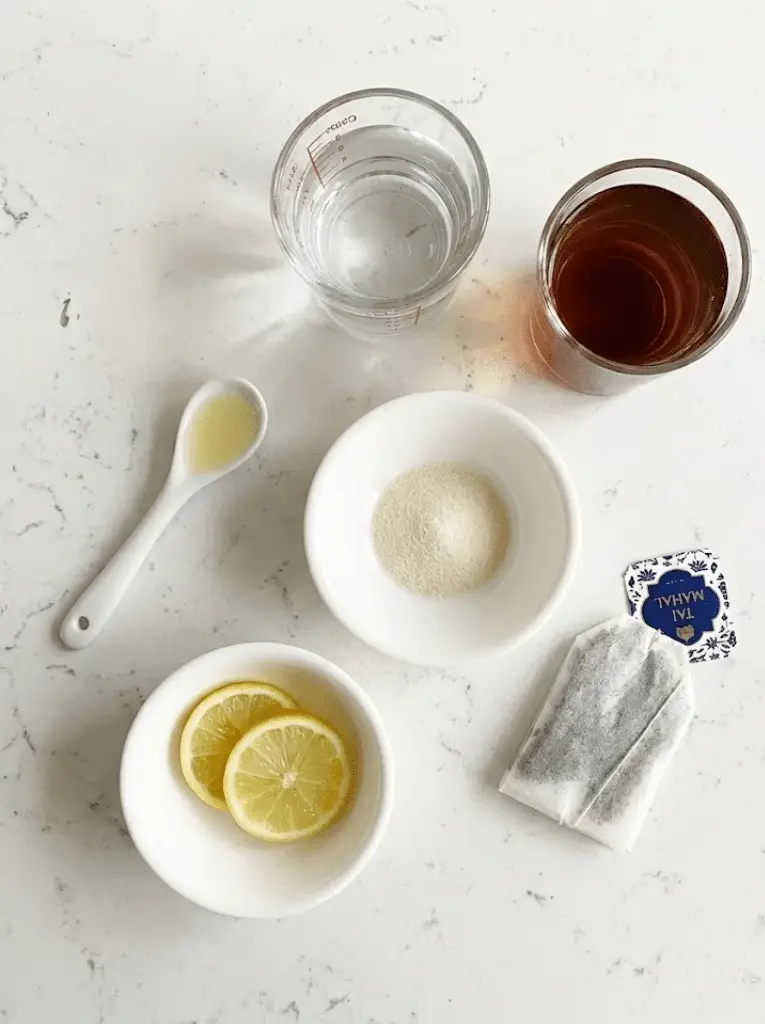
The 3 Ingredients in the Gelatin Trick
Base Recipe:
- 1 tablespoons unflavored gelatin powder (I use Knox or Great Lakes brands—both work beautifully)
- 1/2 cup cold liquid (water, unsweetened green tea, or herbal tea)
- 1 1/2 cups hot liquid (matching your cold liquid choice)
Optional Flavor Enhancers:
- Fresh lemon or lime juice (1-2 tablespoons)
- Stevia or monk fruit sweetener (to taste, if desired)
- A pinch of pink Himalayan salt (enhances flavor and ties into my pink salt trick recipe approach)
- Fresh mint leaves or ginger slices (for infusion)
Step-by-Step Instructions
Step 1: Bloom the gelatin
Pour your cold liquid into a medium bowl. Sprinkle the gelatin powder evenly over the surface. Don’t stir yet—just let it sit for 3-5 minutes. You’ll see it absorb the liquid and become thick and spongy. This “blooming” step prevents clumping and ensures smooth texture.
Step 2: Add the hot liquid
Slowly pour your hot (not boiling—aim for about 180°F) liquid over the bloomed gelatin while whisking continuously. Keep whisking for about 60 seconds until the gelatin completely dissolves. You shouldn’t see any granules.
Step 3: Flavor customization (optional)
This is where you make it your own. I usually add a squeeze of fresh lemon and a tiny pinch of pink salt. Sometimes I’ll steep fresh mint in the hot water before adding the gelatin. Experiment with what appeals to you—just avoid adding anything with fresh pineapple, papaya, or kiwi, as these contain enzymes that prevent gelatin from setting.
Step 4: Pour and chill
Transfer your mixture to a glass container or silicone molds (I use a simple 8×8 inch glass dish). Refrigerate for at least 4 hours, though overnight is ideal for the firmest texture.
Step 5: Cut and store
Once set, cut your gelatin into cubes—I aim for roughly 1-inch squares. Store them in an airtight container in the refrigerator for up to 5 days. They stack beautifully and are incredibly easy to grab when needed.
Flavor Variations I Actually Use
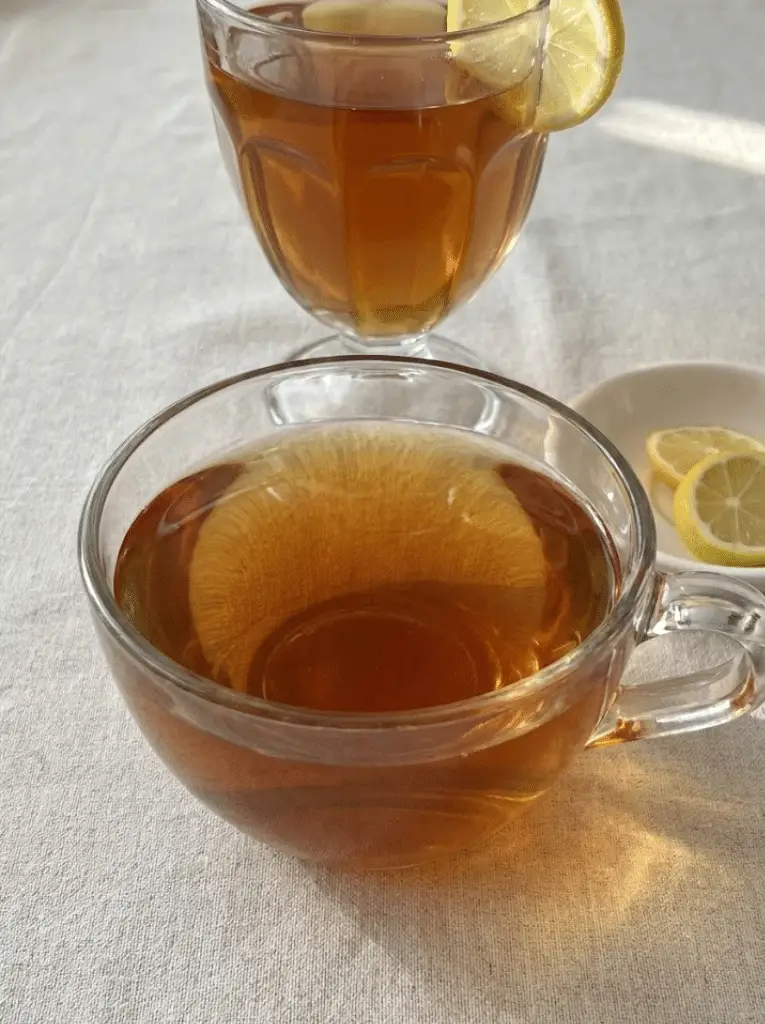
Green Tea Gelatin: Steep 2-3 bags of high-quality green tea in your hot water, remove bags, then proceed with the recipe. This adds a subtle flavor plus antioxidants.
Strawberry Lemon: Use 1 cup water + 1/2 cup unsweetened strawberry tea, add fresh lemon juice. Reminds me of my grandma’s summer treats but without the sugar.
Ginger-Lime: Steep fresh ginger slices in hot water for 10 minutes, strain, then add to bloomed gelatin with fresh lime juice. Great for digestion support.
When and How to Use the Gelatin Trick for Best Results
Here’s what sixty days of experimentation taught me about timing—and honestly, this matters more than most people realize.
The Pre-Meal Strategy (Most Effective)
Consume 2-3 gelatin cubes about 15-20 minutes before your main meals. This is the gelatin trick recipe mark hyman approach (he’s discussed similar protein timing strategies). The key is that timing window—long enough for satiety signals to start registering, not so long that the effect wears off.
I started doing this before lunch and dinner, and the difference in my portion sizes was genuinely noticeable. Not dramatic—I wasn’t suddenly eating half portions—but I naturally served myself 15-20% less food and felt completely satisfied.
The Craving Crusher Method
This is where the gelatin trick recipe really proved its worth for me. When that 3 PM or 9 PM craving hits (you know the one), eating 2-3 gelatin cubes gives your mouth something to do and your stomach something to process.
The act of chewing and swallowing creates satisfaction beyond just the physical fullness. It’s a ritual that interrupts the craving → pantry → regret cycle I used to struggle with.
What About Intermittent Fasting?
One of the most common questions: does gelatin break a fast?
Technically, yes. Gelatin contains protein and therefore calories (though minimal—about 5-10 calories per cube). If you’re doing strict water-only fasting, gelatin cubes would break your fast.
However, many people practice modified fasting protocols where minimal protein is acceptable. Some practitioners argue that the protein content is low enough not to trigger significant insulin response, keeping you in a quasi-fasted state.
My take? If you’re using intermittent fasting for weight loss rather than autophagy or specific metabolic goals, a few gelatin cubes probably won’t derail your progress. But if you’re strict about fasting protocols, save them for your eating window.
For a more comprehensive approach to appetite management during fasting windows, check out my bariatric seed trick, which works synergistically with gelatin strategies.
My Real 60-Day Experience: What Actually Happened
Okay, let’s get to what you actually want to know—did the gelatin trick for weight loss recipe work for me, and what were the real results?
Starting point: I wasn’t trying to lose significant weight—I’m generally comfortable at my current size. But I wanted to test whether this viral method had genuine appetite control benefits, and I was dealing with some frustrating evening snacking patterns.
What I did: For 60 days, I made a fresh batch of gelatin cubes every 4-5 days (recipe above). I consumed 2-3 cubes before lunch and dinner, and used them as needed for evening cravings. I didn’t change my exercise routine or dramatically alter my diet otherwise—I wanted to isolate the gelatin effect as much as possible.
Week 1-2: The Adjustment Period
Honestly? The first week felt kind of awkward. Eating plain gelatin cubes isn’t exactly exciting, even with lemon flavoring. My brain kept waiting for sweetness that wasn’t coming. The texture took some getting used to—not unpleasant, but definitely different from regular food.
By week two, I started noticing I was genuinely less hungry during meals. Not dramatically so, but enough that I’d serve myself slightly smaller portions without feeling deprived.
Week 3-4: The Craving Shift
This is where things got interesting. My evening snacking—which used to be almost automatic—decreased significantly. When I’d feel that familiar pull toward the pantry, I’d eat a couple gelatin cubes instead. About 70% of the time, that was enough to satisfy whatever I was looking for.
I also noticed my digestion felt smoother. Less bloating after meals, more comfortable fullness rather than the overstuffed feeling I sometimes experienced.
Week 5-8: Sustainable Patterns
By the second month, making gelatin cubes became just another part of my meal prep routine, like chopping vegetables or brewing tea. I wasn’t thinking about it as a “weight loss trick”—it was simply a tool that helped me eat more mindfully.
The scale showed about 4-5 pounds lost over the full 60 days. That’s roughly half a pound per week, which is exactly the sustainable pace I recommend to others. But more importantly than the number, my relationship with hunger and cravings felt more balanced.
What didn’t happen: I didn’t experience dramatic appetite suppression. I didn’t “forget to eat” or suddenly have no interest in food. My metabolism didn’t visibly “speed up.” The gelatin cubes didn’t magically burn belly fat.
What did happen: Portion control became easier. Cravings became more manageable. I felt more in control of my eating patterns. And yes, I lost a modest amount of weight—likely because I was consuming fewer total calories without feeling restricted.
If you’re looking for complementary strategies that work synergistically with the gelatin approach, I’ve found success combining it with methods from my Brazilian Mounjaro recipe for a more comprehensive approach.
Gelatin vs Collagen: What’s Actually the Difference?
This confusion comes up constantly, so let’s clarify once and for all.
| Aspect | Gelatin | Collagen Peptides |
|---|---|---|
| Processing | Partially hydrolyzed collagen; retains gelling properties | Fully hydrolyzed collagen; broken into smaller peptides |
| Texture | Forms gel when cooled; thick, jiggly consistency | Stays liquid; dissolves completely in cold or hot liquids |
| Usage for Gelatin Trick | ✓ Works perfectly—creates the cubes we want | ✗ Won’t work—cannot form gel structure |
| Amino Acid Profile | High in glycine, proline, hydroxyproline | Same amino acids, more bioavailable form |
| Best For | Appetite control, volume eating, gelatin trick recipe | Joint support, skin health, protein supplementation |
| Can You Substitute? | No—you specifically need gelatin powder for this recipe. Collagen peptides will NOT set into cubes. | |
I learned this the hard way, actually. During my first week, I tried using collagen peptides thinking they’d be “better” since they’re more bioavailable. Spoiler: I ended up with a bowl of slightly protein-enriched water. Not helpful for the gelatin trick recipe.
Stick with unflavored gelatin powder specifically. Brands like Knox, Great Lakes Gelatin, or Vital Proteins Beef Gelatin (not their collagen peptides) all work beautifully.
Common Mistakes to Avoid (Learn From My Trial and Error)
Let me save you from the mistakes I made during my experimentation phase.
Using Flavored Jell-O Instead of Unflavored Gelatin
People constantly ask: can I make the gelatin trick recipe with flavored Jell-O?
Technically yes, but you’re defeating the purpose. Flavored Jell-O contains sugar (or artificial sweeteners in sugar-free versions) and the gelatin content is much lower. You want pure, unflavored gelatin to maximize protein content while minimizing calories.
That said, if using sugar-free Jell-O makes the difference between actually doing this and not doing it at all, it’s better than nothing. Just understand you’re getting less protein and potentially triggering sweet cravings with the artificial sweeteners.
Not Blooming the Gelatin Properly
This was my first major mistake. I dumped gelatin powder directly into hot water, whisked frantically, and ended up with clumps that never fully dissolved. The result? Grainy, unpleasant texture that made me not want to eat them.
Always bloom your gelatin in cold liquid first. Those few minutes of patience make all the difference in texture.
Expecting Dramatic, Rapid Results
The gelatin trick recipe weight loss TikTok videos often show dramatic transformations. Reality check: if someone lost 15 pounds in two weeks using gelatin cubes, it wasn’t because of the gelatin cubes alone.
This is a supportive tool for appetite management, not a magic weight loss bullet. Set realistic expectations—we’re talking modest, sustainable progress.
Eating Too Many Cubes
How many gelatin cubes should I eat per day? I’d suggest 6-9 cubes maximum (2-3 before each main meal). More isn’t necessarily better, and excessive gelatin consumption can cause digestive discomfort for some people.
Listen to your body. If you’re experiencing bloating or any gastrointestinal issues, scale back.
Ignoring the Bigger Picture
The biggest mistake? Thinking gelatin cubes alone will transform your health. They won’t. They’re one tool in a comprehensive approach that should include whole-food nutrition, regular movement, adequate sleep, and stress management.
I’ve found the most success comes from combining multiple evidence-based strategies. For instance, pairing the gelatin trick with approaches from my pink salt recipe for weight loss creates a more robust framework for sustainable results.
Important Safety Considerations
Who Should Be Cautious:
People with kidney issues: The high protein content, while generally safe, may not be appropriate for those with kidney disease. Consult your healthcare provider.
Vegetarians and vegans: Standard gelatin is derived from animal collagen (typically beef or pork). It’s not plant-based. Agar-agar is a vegan alternative, though it has different nutritional properties and won’t provide the same amino acid profile.
Pregnant or breastfeeding: While generally considered safe, always discuss dietary changes with your healthcare provider during pregnancy or lactation.
Those on certain medications: High protein intake can interact with some medications. If you’re on prescription medications, particularly for kidney function or blood thinning, consult your doctor.
Frequently Asked Questions About the Gelatin Trick Recipe
What is the gelatin trick recipe?
The gelatin trick recipe is a simple method where you dissolve unflavored gelatin powder in liquid, chill it until it forms firm cubes, then consume these cubes before meals or when cravings strike. The basic recipe uses just three ingredients: unflavored gelatin powder, cold liquid for blooming, and hot liquid for dissolving. The resulting gelatin cubes are nearly pure protein with minimal calories, designed to support appetite control through satiety signaling and physical stomach volume.
Does the gelatin trick recipe help with weight loss?
The gelatin trick can support weight loss efforts, but it’s not a standalone solution. In my 60-day experience, I lost 4-5 pounds—but that happened because the gelatin cubes helped me naturally reduce portion sizes and manage cravings, leading to a modest caloric deficit. The mechanism works through protein-based satiety signals and physical fullness. Research suggests high-protein intake supports appetite regulation, and gelatin provides easily digestible protein. However, expecting dramatic weight loss from gelatin alone isn’t realistic. It’s most effective as part of a comprehensive approach that includes mindful eating and whole-food nutrition.
How many gelatin cubes should I eat per day?
I recommend consuming 6-9 gelatin cubes daily maximum—typically 2-3 cubes about 15-20 minutes before each main meal. This provides enough protein for satiety benefits without overdoing it. Some people use additional cubes for craving management between meals, but I’d suggest keeping total daily consumption under 12 cubes. More isn’t necessarily better—excessive gelatin can cause digestive discomfort like bloating for some individuals. Start with the lower end (6 cubes per day) and adjust based on how your body responds.
Can I make the gelatin trick recipe with flavored Jell-O?
While you technically can use flavored Jell-O, I don’t recommend it for the gelatin trick recipe. Here’s why: flavored Jell-O contains added sugars (or artificial sweeteners in sugar-free versions) and significantly less actual gelatin per serving. The whole point of this method is maximizing protein content while minimizing calories. Using regular Jell-O adds unnecessary sugar; using sugar-free versions introduces artificial sweeteners that may trigger cravings. Stick with unflavored gelatin powder and add your own natural flavoring like lemon juice, herbal tea, or a pinch of pink salt. This gives you complete control over ingredients and maximizes the appetite control benefits.
How to make gelatin solution?
Making a proper gelatin solution requires two key steps: blooming and dissolving. First, sprinkle 2 tablespoons unflavored gelatin over 1/2 cup cold liquid in a bowl—let it sit undisturbed for 3-5 minutes until it becomes thick and spongy (this is blooming). Then, slowly pour 1 1/2 cups hot liquid (about 180°F, not boiling) over the bloomed gelatin while whisking continuously for about 60 seconds until completely dissolved. Pour into a container and refrigerate for at least 4 hours. The blooming step prevents clumping and ensures smooth texture—don’t skip it.
What are the 3 ingredients in the gelatin trick?
The basic gelatin trick recipe uses just three simple ingredients: (1) unflavored gelatin powder (2 tablespoons), (2) cold liquid for blooming (1/2 cup of water or unsweetened tea), and (3) hot liquid for dissolving (1 1/2 cups of water or tea). That’s it. Some people add optional flavor enhancers like fresh lemon juice, stevia, or pink salt, but the core recipe requires only these three components. The simplicity is part of what makes this method so accessible—no exotic ingredients or complicated preparation.
Is Dr Jennifer Ashton Gelatin trick recipe for weight loss an official method?
No, there isn’t an “official” Dr. Jennifer Ashton gelatin trick recipe, despite what you might see in viral content. Dr. Ashton, ABC News’ Chief Medical Correspondent, has discussed gelatin and collagen as part of overall wellness approaches on her platforms, including her Instagram. However, the specific gelatin cube method that’s gone viral isn’t a protocol she developed or officially endorses. The association likely comes from people noticing her discussion of similar concepts and attributing the trend to her authority. The gelatin trick itself is based on principles used in bariatric medicine for years—it’s not new, just newly popular.
How many gelatin cubes should I take per day?
This is essentially the same as the earlier question about daily consumption—I recommend 6-9 gelatin cubes per day as a general guideline. Consume 2-3 cubes about 15-20 minutes before each main meal (breakfast, lunch, dinner). If you’re using them for craving management, you might occasionally have a few extra cubes between meals, but keep total daily intake under 12 cubes. The key is consistency rather than quantity—moderate, regular use tends to produce better results than sporadic high consumption.
Does gelatin break a fast?
Yes, gelatin does break a fast in the technical sense. Gelatin contains protein and therefore calories (approximately 5-10 calories per cube, depending on size). If you’re practicing strict water-only fasting for autophagy or specific metabolic purposes, consuming gelatin would interrupt your fasted state. However, for those doing modified fasting protocols or intermittent fasting primarily for weight loss, the minimal caloric content may not significantly impact results. Some practitioners consider very low-calorie, high-protein foods acceptable during fasting windows. My recommendation: if you’re strict about fasting protocols, save gelatin cubes for your eating window. If you practice more flexible intermittent fasting, the modest protein from a cube or two likely won’t derail your progress.
Can I use sugar-free Jell O?
You can use sugar-free Jell-O if necessary, but it’s not ideal for the gelatin trick recipe. Sugar-free Jell-O contains artificial sweeteners (usually aspartame or sucralose) which may trigger sweet cravings or affect insulin response in some people. It also has less actual gelatin per serving compared to pure unflavored gelatin powder, meaning you get less protein benefit. If the choice is between using sugar-free Jell-O and not doing this at all because you can’t tolerate plain gelatin, then sugar-free Jell-O is acceptable. But I’d encourage you to try unflavored gelatin with natural flavor enhancers first—adding fresh lemon juice or steeping herbal tea provides pleasant taste without the artificial sweetener concerns.
Is this safe for bariatric patients?
Gelatin-based preparations are actually commonly recommended in bariatric protocols for increasing protein intake and supporting satiety. However, if you’re a bariatric patient—whether pre-op or post-op—you should absolutely consult your bariatric team before adding the gelatin trick recipe to your routine. Bariatric patients have specific nutritional needs and restrictions that vary by surgery type and recovery stage. Your surgical team can advise on appropriate gelatin consumption within the context of your complete nutritional plan. That said, the principles are sound—bariatric medicine has used similar strategies for years. For more information on bariatric-friendly approaches, see my article on the bariatric seed trick.
Does the gelatin trick burn fat?
No, the gelatin trick does not directly “burn fat.” This is crucial to understand—there’s no food or beverage that magically burns fat off your body. What the gelatin trick recipe can do is support fat loss indirectly by helping you maintain a caloric deficit more comfortably. The gelatin cubes provide satiety signals and physical fullness that may help you naturally reduce portion sizes and resist cravings. When you consistently consume fewer calories than you burn, you lose fat—that’s basic thermodynamics. The gelatin makes that process easier for some people, but it’s not burning anything itself. Some research suggests the amino acid glycine in gelatin might support healthy metabolic function, but this effect is subtle and shouldn’t be confused with fat burning.
When should I take gelatin for best results?
For optimal results with the gelatin trick for weight loss recipe, timing is genuinely important. The most effective approach is consuming 2-3 gelatin cubes about 15-20 minutes before each main meal. This timing allows the protein to start triggering satiety signals while providing physical stomach fullness right when you sit down to eat. I also found success using gelatin cubes for craving management—when that afternoon or evening snack urge hits, eating a couple cubes often satisfies whatever I’m looking for without significant calories. Some people use them strategically before social events where overeating tends to happen. Avoid consuming gelatin right before bed if you’re sensitive to protein before sleep, though this varies individually. Consistency matters more than perfect timing—making this a regular habit produces better results than sporadic use.
The Bottom Line: Is the Gelatin Trick Recipe Worth Trying?
After sixty days of real-world testing, extensive research, and honest reflection, here’s my verdict on the gelatin trick for weight loss recipe.
This isn’t a miracle solution. It’s not going to replace pharmaceutical interventions if you need them (for more on natural alternatives to medications, see my natural Zepbound recipe). It’s not going to transform your body in two weeks. And it’s definitely not some newly discovered secret—it’s simply a practical application of protein timing and volume eating principles.
What it is, however, is a genuinely helpful tool for appetite management when used consistently as part of a holistic approach to wellness.
The combination of protein-based satiety, physical fullness, and the ritual of mindful preparation creates a framework that supports better eating decisions. For me, that translated to 4-5 pounds lost over two months, significantly reduced evening snacking, and a more balanced relationship with hunger cues.
Is it worth the minimal effort of making gelatin cubes every few days? For most people dealing with appetite control challenges, I’d say yes. The investment is low—we’re talking about five minutes of prep time and a few dollars for ingredients. The potential benefit is meaningful if you’re someone who struggles with portion control or between-meal cravings.
Try it if: You need help managing portions, you struggle with evening snacking, you’re looking for low-calorie ways to feel satisfied, you respond well to protein-rich foods, or you’re open to simple strategies that support rather than dictate your eating patterns.
Skip it if: You’re looking for rapid weight loss, you’re vegetarian or vegan (standard gelatin isn’t plant-based), you have kidney issues that require limited protein, you’re seeking a standalone solution without lifestyle changes, or you’re not willing to commit to at least 30 days of consistent use.
The gelatin trick works best when integrated into a broader wellness philosophy. Pair it with whole-food nutrition, regular movement you enjoy, adequate sleep, and stress management practices. Use it alongside other evidence-based approaches like my natural Mounjaro recipe for weight loss for a more comprehensive strategy.
Most importantly, approach this with realistic expectations and curiosity rather than desperation. It’s a tool, not a transformation. And sometimes, that’s exactly what we need—simple, sustainable tools that make healthy choices a little bit easier.