

Multigrain bread often shows up in the grocery store as the “healthier” choice compared to white bread or even some whole wheat loaves. But here’s the catch: just because your bread lists multiple grains on the package doesn’t automatically mean it’s good for you. In fact, the nutrition can vary wildly depending on the type of grains used and whether they’re whole or refined.

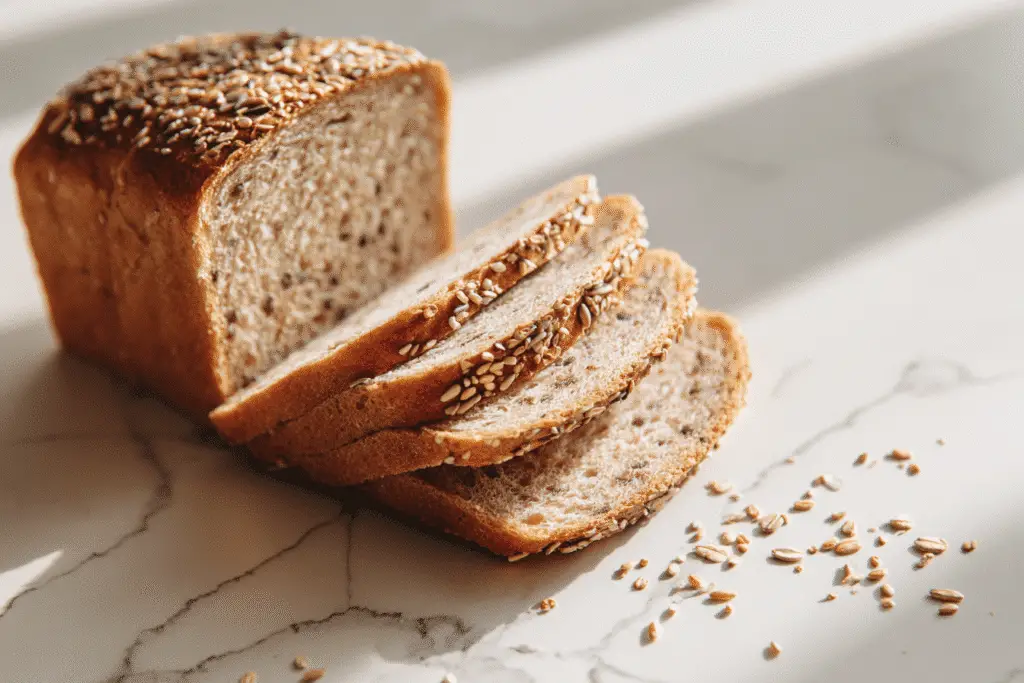
In this guide, we’ll break down what “multigrain” really means, how it stacks up against other bread varieties, and how to spot the loaves that actually support your health goals. By the end, you’ll know exactly what to look for on the label and how to enjoy multigrain bread in smarter, more nourishing ways.
Table of Contents
Table of Contents
Multigrain bread isn’t always healthier.
Some loaves are packed with whole grains, fiber, and protein, making them a smart choice for steady energy and fullness. Others, however, are made mostly with refined flour, which strips away much of the nutrition. To find the best option, check the ingredient list, look for at least 3g of fiber per slice, minimal added sugars, and ideally, a 100% whole grain label.
Types of Grains
When it comes to bread, the real difference lies in the type of grains used. Not all grains are created equal, and the way they’re processed can drastically change the nutrition profile of your loaf.
Whole grains include every part of the kernel:
- The bran (fiber-rich outer layer)
- The germ (nutrient-packed core with vitamins and healthy fats)
- The endosperm (starchy middle that provides energy)
Because all three parts are intact, whole grains supply fiber, B vitamins, minerals, and antioxidants that help regulate digestion, stabilize blood sugar, and support long-term heart health.
On the other hand, refined grains go through heavy processing. The bran and germ — the parts that carry most of the nutrition — are stripped away, leaving behind mainly the starchy endosperm. This makes the grain softer and longer-lasting, but also less filling and lower in nutrients.
Now here’s the tricky part: the term “multigrain” only means the bread contains more than one type of grain — it doesn’t tell you if those grains are whole or refined. That’s why some loaves of multigrain bread are fiber-rich powerhouses, while others aren’t much better than white bread.

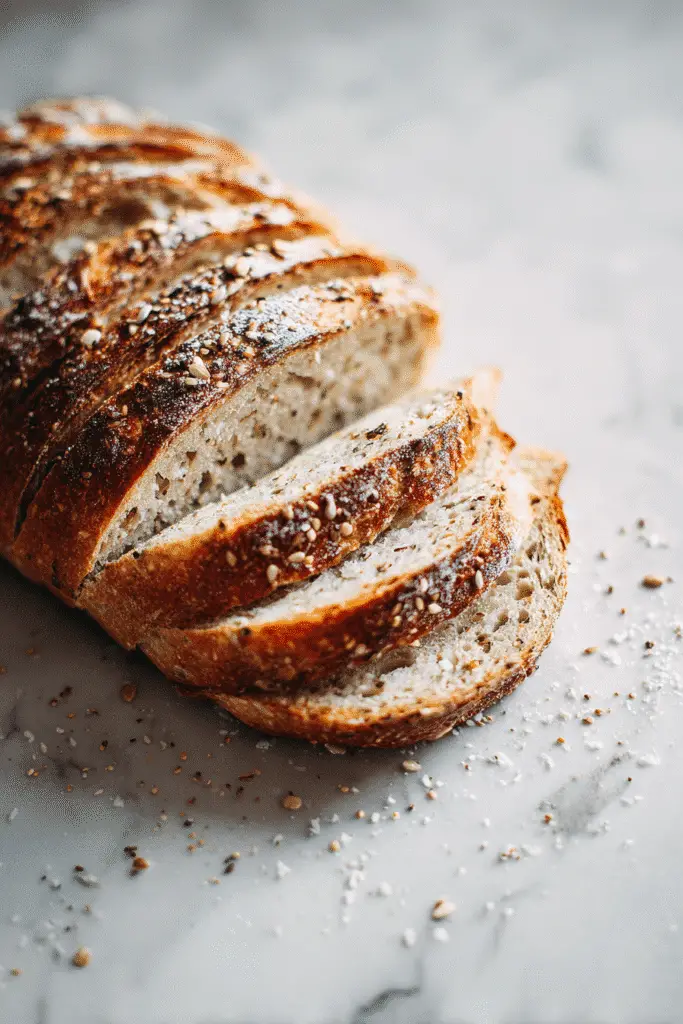
How Multigrain Bread Compares to Other Breads
It’s easy to assume multigrain bread beats out white or wheat bread across the board, but the truth is more nuanced. The real nutritional difference depends on whether those grains are whole or refined.
- Compared to white bread:
White bread is typically made with refined flour, meaning it’s lower in fiber, vitamins, and minerals. A high-quality multigrain bread made with whole grains will usually offer more fiber and protein, which help slow digestion and provide steadier energy. - Compared to whole wheat bread:
Whole wheat bread is always made with 100% whole wheat grains. A multigrain loaf might include wheat, oats, barley, millet, or other grains. If they’re whole, multigrain bread can sometimes be more nutrient-dense than whole wheat, thanks to the variety. But if refined flours sneak in, whole wheat usually wins out. - Compared to sprouted grain bread:
Sprouted breads — like those made from sprouted wheat, lentils, or seeds — tend to be higher in digestible nutrients and protein. Some sprouted multigrain breads are excellent choices, but not all multigrain options fall into this category.
Here’s a quick comparison example:
- A commercial multigrain loaf with enriched flour as its first ingredient might only provide 1 gram of fiber per slice.
- Meanwhile, a sprouted multigrain bread with whole wheat as the first ingredient may offer 4 grams of fiber and 6 grams of protein.
Bottom line: Multigrain bread can be healthier, but only if the grains are whole and the nutrition label proves it.
How to Choose a Healthy Bread
If you’ve ever stood in front of the bread aisle feeling overwhelmed, you’re not alone. With labels shouting “multigrain,” “whole wheat,” or “made with oats,” it’s tough to know which loaf is truly good for you. Here’s how to cut through the noise and make a smart pick.
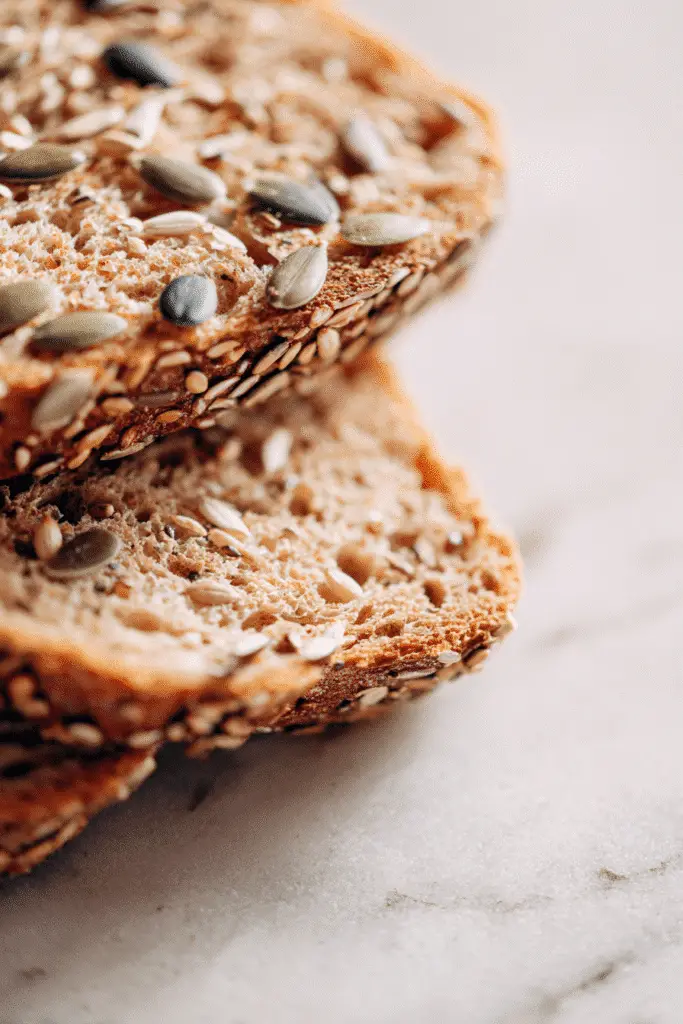
Don’t rely on the name alone
Marketing terms can be misleading. Just because a bread says “multigrain” doesn’t mean it’s nutritious. The key is to flip the package around and check the ingredient list and nutrition facts. What matters most is whether the grains are whole or refined.
Choose breads made with whole grains
Look for phrases like “whole wheat flour,” “whole oats,” or “100% whole grain.” If the first ingredient is “enriched flour” or “wheat flour” without the word whole, it’s likely refined and lower in nutrition.
Pick breads with fiber and little added sugar
Fiber is your best friend when it comes to bread. Aim for at least 3 grams of fiber per slice and keep added sugars under 3 grams. This combo helps stabilize blood sugar, keeps you fuller longer, and supports gut health.
Look for the whole-grain stamp
The Whole Grain Stamp, created by the Whole Grains Council, makes shopping easier:
- 100% Stamp: Every grain is whole grain; at least 16 grams per serving.
- 50%+ Stamp: Half the grains are whole; at least 8 grams per serving.
- Basic Stamp: At least 8 grams of whole grain, but less than half are whole.
Whenever possible, go for the 100% stamp to guarantee the most nutrition.
Healthy Ways to Enjoy Multigrain Bread
Even the healthiest bread works best when paired with the right foods. Multigrain bread can be a satisfying part of your diet if you build meals that balance protein, fiber, and healthy fats. Here are some smart ways to enjoy it:
- Avocado toast upgrade: Mash avocado on top of a toasted slice and sprinkle with seeds or microgreens for an extra nutrient boost.
- Protein-packed breakfast: Top with scrambled eggs, smoked salmon, or cottage cheese to keep you full until lunch.
- Nut butter and fruit: A spread of almond or peanut butter with sliced banana or berries delivers natural sweetness and lasting energy.
- Open-faced sandwiches: If you’re watching carbs, go with one slice instead of two and pile it high with veggies, lean protein, or hummus.
- DIY fiber jam: Pair your bread with a chia seed jam for a naturally sweet, fiber-loaded topping.
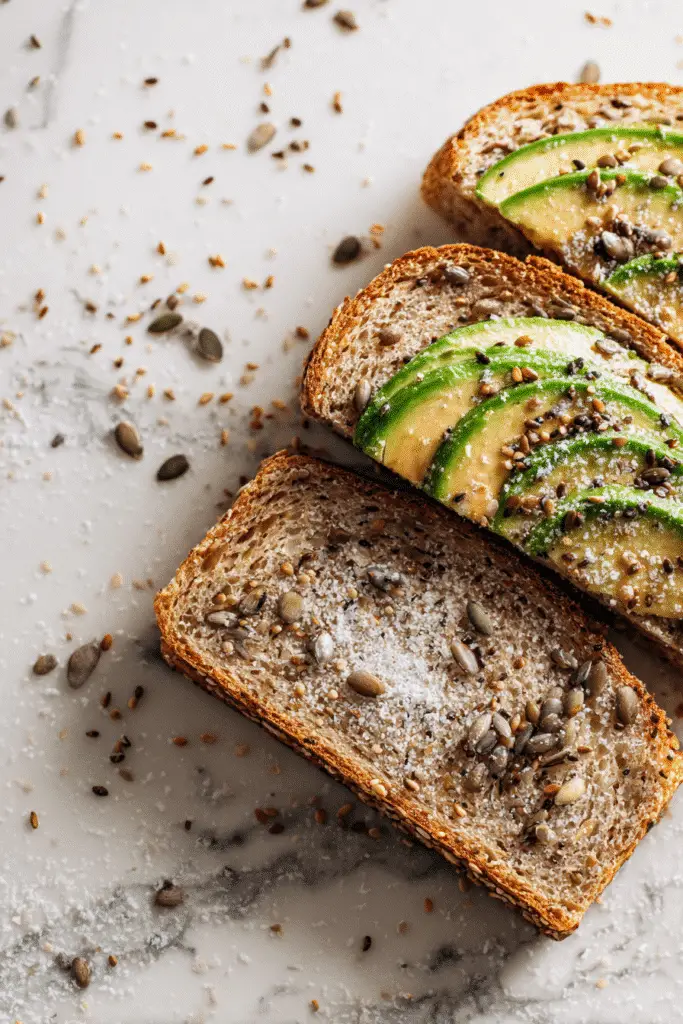
The key is to think of your bread as the base — then layer on foods that complement it. That way, even if your multigrain bread isn’t the most fiber-dense, your toppings can fill the nutritional gap.
Conclusion:
Multigrain bread can absolutely be part of a healthy diet — but only if you choose wisely. Some loaves are nutrient-rich, loaded with whole grains, fiber, and protein. Others are mostly refined flour dressed up with a “healthy-sounding” label. The difference comes down to reading the ingredient list, checking for at least 3 grams of fiber, keeping added sugars low, and looking for the whole-grain stamp.
At the end of the day, the healthiest bread is the one that fits your lifestyle, supports steady energy, and pairs well with nourishing toppings. Whether you’re making a hearty breakfast toast or a quick sandwich, think of multigrain bread as a versatile base that can be as healthy as you make it.
Explore beautifully curated weight loss pink salt recipe ideas on Sofie Recipes on Pinterest and find your next favorite healthy habit!
FAQs
Is multigrain bread healthier than white bread?
Usually, yes. White bread is made with refined flour, which removes most of the fiber and nutrients. A multigrain bread made with whole grains provides more vitamins, minerals, and fiber. But not all multigrain breads are created equal — always check the label.
What’s the difference between multigrain and whole grain bread?
Multigrain means the bread is made with more than one type of grain, but those grains can be refined or whole. Whole grain bread guarantees that the grains are used in their complete form, making it a more reliable source of fiber and nutrition.
How can I tell if my multigrain bread is healthy?
Look for these signs:
The first ingredient is a whole grain (like whole wheat or oats).
At least 3 grams of fiber per slice.
Minimal added sugars (under 3 grams per slice).
A whole-grain stamp on the packaging.
Can multigrain bread help with weight management?
Yes — if you choose one that’s high in fiber and protein. These nutrients help you feel full, control appetite, and stabilize blood sugar. Pair it with healthy fats and protein for even better satiety.
Is multigrain bread good for people with diabetes?
It can be, but only if it’s made from whole grains and low in added sugar. Whole grains release energy more slowly, preventing sharp spikes in blood sugar. Always check nutrition labels before buying.


